
6 consejos para sobrellevar la ansiedad de la “nueva normalidad”

Por Sharp Health News, una publicación de Sharp HealthCare

Si bien experimentar algo de ansiedad puede ser una respuesta saludable en ciertas situaciones, la ansiedad también puede hacernos sentir miedo de volver a relacionarnos con el mundo que nos rodea. Pruebe estos seis consejos para hacer frente a su ansiedad de la “nueva normalidad”:

  1. Normaliza lo que sientes. Está bien sentir algo de ansiedad si extraña las rutinas del trabajo desde el hogar, como tener sus mascotas cerca, o si ingresa a una experiencia en la oficina que es más restringida y regulada de lo que era antes de COVID. Recuerde, esto es un gran paso para normalizar las emociones que pueden surgir.
  2. Sea amable con usted mismo. Criticarse a sí mismo o piense “No debería sentirme así” a menudo aumenta la ansiedad que siente. Trate de replantear sus pensamientos y emociones. Permítase el espacio para decir: “No me siento lo suficientemente bien, pero estoy haciendo lo mejor que puedo con los recursos que tengo”.
  3. Estar presente. La ansiedad puede hacer que se sienta estresado, abrumado o inquieto por el futuro. Participar en actividades que lo anclan al momento presente puede ayudar a disminuir la ansiedad. Llame su atención sobre lo que tiene control hoy.
  4. Respire con intención. Concentrarse en su respiración es algo que puede hacer en cualquier lugar y puede tener un impacto positivo en los niveles de ansiedad. La respiración profunda consiste en inhalar lenta y profundamente por la nariz, dejar que el pecho se expanda con aire y liberarlo lentamente por la boca.
  5. Continúe con las rutinas positivas. Es posible que haya establecido nuevas rutinas para ayudarlo durante la pandemia. Explore cuál le gustaría continuar. Considere las cosas que lo ayudaron a sentirse tranquilo, invocaron sentimientos positivos sobre usted mismo, o con las que simplemente se divirtió, y manténgalas o modifíquelas según sea necesario.
  6. Si siente que su ansiedad se está volviendo demasiado abrumadora, busque apoyo. Recuerde que está bien pedir ayuda. Tener el apoyo de amigos y familiares puede ayudar a reforzar que no tiene que pasar por esta experiencia solo. Y un proveedor de salud mental puede brindarle un espacio seguro para explorar su salud mental y aprender nuevas habilidades de afrontamiento.

VEBA Resourse Center ofrece Yoga Restaurativo para el Manejo del Estrés. Aprenda diferentes técnicas (respiración, relajación, atención plena y posturas restaurativas) para ayudar a controlar los efectos acumulativos del estrés y apoyar la salud en general. Consulte nuestro calendario para inscribirse en la próxima clase.
6 Tips for Coping with ‘New Normal’ Anxiety

From Sharp Health News, a publication of Sharp HealthCare

Though experiencing some anxiety can be a healthy response in certain situations, anxiety can also leave us feeling fearful of reengagement with the world around us. Try these six tips to cope with your ‘new normal’ anxiety:

  1. Normalize what you’re feeling. It’s OK to feel some anxiety if you miss work-from-home routines, such as having pets around, or as you enter an in-office experience that is more restricted and regulated than it was pre-COVID. Reminding yourself of this is a great step in normalizing the emotions that may come up.
  2. Be kind to yourself. Criticizing yourself or thinking “I shouldn’t feel this way” often increases how anxious you feel. Try to reframe your thoughts and emotions. Allow yourself the space to say, “I don’t feel good enough, but I’m doing the best I can given the resources I have.”
  3. Be present. Anxiety can leave you feeling stressed, overwhelmed or uneasy about the future. Engaging in activities that anchor you to the present moment can help decrease anxiety. Draw your attention to what you have control over today.
  4. Breathe with intention. Focusing on your breathing is something you can do anywhere and can have a positive impact on anxiety levels. Deep breathing involves taking slow, deep breaths in through the nose, letting the chest expand with air, and slowly releasing it out through the mouth.
  5. Continue positive routines. You may have established new routines to help you through the pandemic. Explore which you would like to continue. Consider things that helped you feel calm, invoked positive feelings about yourself, or you just had a fun time with, and maintain them or modify them as needed.
  6. If you feel like your anxiety is becoming too overwhelming, seek support. Remind yourself that it’s OK to ask for help. Having the support of friends and family can help to reinforce that you don’t have to go through this experience alone. And a mental health provider can provide you with a safe space to explore your mental health and learn new coping skills.

The VEBA Resource Center offers Restorative Yoga for Stress Management. Learn different techniques (breathing, relaxation, mindfulness and restorative poses) to help manage the cumulative effects of stress and support overall health. Check out our calendar to sign up for an upcoming class.

What Does “Integrative Medicine” Mean?

From Sharp Health News, a publication of Sharp HealthCare

Integrative medicine is an approach to health care that addresses physical, emotional, mental, social, spiritual and environmental wellness. It combines conventional care and holistic aspects of Eastern medicine.

What are the benefits of integrative medicine?

Some patients are drawn to the more natural, less invasive treatments associated with integrative medicine. It promotes better tolerance of unpleasant symptoms and often uses less pharmaceutical medication than traditional treatment.

What are some common examples of alternative therapies used in an integrative approach?

Some common techniques include music, pet or art therapy, massage and meditation. Guided imagery, acupuncture, aromatherapy, reflexology and Healing Touch are also options.

How can mental and social wellness have a positive impact on our health?

People respond differently to illness, and some have trouble coping with these challenges. The support of family, friends, practitioners and community help us maintain a positive outlook, which aids the healing process.

What are a few things we can do to promote our own mental and social wellness?

Practice a positive, self-help mentality and focus on maintaining wellness before illness strikes. Regular physical exercise, deep breathing techniques, yoga and meditation are excellent practices to do routinely.


The VEBA Resource Center offers Healing through Natural Medicine Classes. In this class, you will learn the power of foods, herbs, teas, essential oils, acupressure points, body-mind practices and home remedies for a variety of conditions. Learn the holistic approach to feel empowered to get your health back, have energy, and feel and look fabulous. Check out our calendar to sign up for an upcoming class.

¿Qué significa “medicina integrativa”?

Por parte de Sharp Health News, una publicación de Sharp HealthCare

La medicina integrativa es un enfoque de la atención médica que aborda el bienestar físico, emocional, mental, social, espiritual y ambiental. Combina la atención convencional y los aspectos holísticos (naturales) de la medicina oriental.

¿Cuáles son los beneficios de la medicina integrativa?

Algunos pacientes se sienten atraídos por los tratamientos más naturales y menos invasivos asociados con la medicina integrativa. Promueve una mejor tolerancia a los síntomas desagradables y a menudo, utiliza menos medicamentos farmacéuticos que el tratamiento tradicional.

¿Cuáles son algunos ejemplos comunes de terapias alternativas utilizadas en un enfoque integrador?

Algunas técnicas comunes incluyen la música, terapia con mascotas o arte, masajes y meditación. Imágenes guiadas, acupuntura, aromaterapia, reflexología y terapia de imposición de manos (Healing Touch) también son opciones.

¿Cómo puede el bienestar mental y social tener un impacto positivo en nuestra salud?

Las personas responden de manera diferente a las enfermedades y algunas tienen problemas para hacer frente a estos desafíos. El apoyo de la familia, los amigos, los médicos y la comunidad nos ayuda a mantener una perspectiva positiva, lo que ayuda al proceso de curación.

¿Cuáles son algunas de las cosas que podemos hacer para promover nuestro propio bienestar mental y social?

Practique mentalidad positiva de autoayuda y concéntrese en mantener el bienestar antes de que ocurra una enfermedad. El ejercicio físico regular, las técnicas de respiración profunda, el yoga y la meditación son excelentes prácticas para realizar de forma rutinaria.


VEBA Resource Center ofrece clases Sanación a través de Medicina Natural. En esta clase, aprenderá el poder de los alimentos, las hierbas, los tés, los aceites esenciales, los puntos de acupresión, las prácticas cuerpo-mente y los remedios caseros para una variedad de afecciones. Aprenda el enfoque holístico para sentirse empoderado para recuperar su salud, tener energía y sentirse y verse fabuloso. Consulte nuestro calendario para inscribirse a una clase.

4 Things That Can Help Reduce Anxiety

From Sharp Health News, a publication of Sharp HealthCare

Anxiety affects people in different ways, from a slightly elevated heart rate to full-blown panic. Here are four popular exercises that can help ease anxiety symptoms:

  1. Consider the best- and worst-case scenarios.
    Think through the best- and worst-case scenario for the thought or experience that triggers feelings of anxiety and imagine how you would manage each instance. Think about how equally plausible each situation would be and consider the most-likely scenario.
  2. Counter catastrophic thinking.
    Use self-coaching statements to challenge thoughts regarding danger and decreased sense of control. For instance, if driving causes you anxiety, note a potential danger, such as parallel parking, and talk yourself through how you can control it, such as parking in a nearby lot.
  3. Counter catastrophic thinking.
    Use self-coaching statements to challenge thoughts regarding danger and decreased sense of control. For instance, if driving causes you anxiety, note a potential danger, such as parallel parking, and talk yourself through how you can control it, such as parking in a nearby lot.
  4. Distract your mind.
    Distraction is a powerful means of reducing anxiety and panic. If someone suffering from anxiety can “get out of their heads” for a second by changing their focus on some outside stimulus, anxiety can reduce. Try counting, deep-breathing exercises or moving your eye focus.

The VEBA Resource Center offers Yoga Flow Classes. This class introduces Vinyasa Flow to members, a contemporary yoga style that incorporates movements that are synchronized with breath for better mental and physical health. Check out our calendar to sign up for an upcoming class.

4 cosas que pueden ayudar a reducir la ansiedad

Por parte de Sharp Health News, una publicación de Sharp HealthCare

La ansiedad afecta a las personas de diferentes maneras, desde elevar levemente la frecuencia cardíaca hasta provocar pánico total. Aquí hay quatro ejercicios populares que pueden ayudar a aliviar los síntomas de la ansiedad:

  1. Tome en cuenta las mejores y peores situaciones.
    Piense en el mejor y en el peor de los casos para el pensamiento o la experiencia que desencadena sentimientos de ansiedad e imagine cómo manejaría cada caso. Piense que tan factible sería cada situación y considere el escenario más probable.
  2. Contrarrestar el pensamiento catastrófico.
    Utilice declaraciones de autoayuda para desafiar los pensamientos sobre el peligro y la disminución del sentido de control. Por ejemplo, si conducir le causa ansiedad, tenga en cuenta un peligro potencial, como el estacionarse en paralelo, y hable usted mismo sobre cómo puede controlarlo, como estacionarse en un estacionamiento cercano.
  3. Alto los pensamientos negativos.
    La base de esta técnica es decir conscientemente “ALTO” cuando se encuentre repitiendo pensamientos negativos o distorsionados. Use un diálogo interno positivo o un mantra fácil de recordar que pueda repetir para contrarrestar la negatividad
  4. Distraiga su mente.
    La distracción es un medio poderoso para reducir la ansiedad y el pánico. Si alguien que sufre de ansiedad puede “salirse de su cabeza” por un segundo cambiando su enfoque en algún estímulo externo, la ansiedad puede reducirse. Intente contar, hacer ejercicios de respiración profunda o mover el enfoque de sus ojos.

VEBA Resource Center ofrece clases Yoga Flow. Esta clase presenta Vinyasa Flow a los miembros, un estilo de yoga contemporáneo que incorpora movimientos que están sincronizados con la respiración para una mejor salud física y mental. Consulte nuestro calendario para inscribirse a una clase.

Getting Through the Holidays, Mindfully

From Sharp Health News, a publication of Sharp HealthCare

Let’s face it: At this time of year, many of us feel overwhelmed and stressed out.

So, how do you cope? Try this next time:

  1. Sit comfortably.
  2. Focus your awareness on your breathing.
  3. Breathe in. Breathe out. Repeat.
  4. If your mind wanders, gently and with patience, bring your focus back to your breathing.
  5. Try this for three to five minutes, and notice how you feel.

You’ve now practiced mindfulness. Mindfulness is the awareness of the present moment, approached with curiosity, openness and a willingness to be with what “is.”

Mindfulness has several benefits, including:

  • Helps you reduce stress
  • Aids in reducing chronic physical pain
  • Boosts the body’s immune system to help fight disease
  • Assists you in coping with painful life events, such as the death of a loved one or a major illness
  • Helps you deal with negative emotions like anger, fear and anxiety
  • Improves your attention and concentration
  • Opens up the gateway for positive emotions, including happiness and compassion

This kind of practice can help center you in the midst of a stressful day, heavy workload and the holidays. You can go back to whatever needs to be accomplished feeling refreshed and renewed – and it only takes a few minutes.


The VEBA Resource Center offers Midday Mindfulness Refresh Classes. Mindfulness is an everyday practice you can do to improve your overall quality of life and sense of well-being. In this class, you will explore mindfulness of the body, breath, emotions and the heart. Check out our calendar to sign up for an upcoming class.

Disfrutar de Los Días Festivos de Invierno, Conscientemente

Por parte de Sharp Health News, una publicación de Sharp HealthCare

Seamos realistas: en esta época del año, muchos de nosotros nos sentimos abrumados y estresados. Y si agregamos la pandemia de COVID-19 a la mezcla, el estrés se multiplica.

Entonces, ¿cómo se las arregla? Pruebe esto la próxima vez:

  1. Siéntese cómodamente.
  2. Concéntrese en su respiración.
  3. Respire. Exhale. Repetir.
  4. Si su mente divaga, suavemente y con paciencia, vuelva a concentrarse en su respiración.
  5. Pruebe esto durante tres a cinco minutos y observe cómo se siente.

Con estos pasos usted ha practicado la atención plena (Mindfulness). Mindfulness es la conciencia del momento presente, abordado con curiosidad, amplitud y voluntad de estar con lo que “es”.

Mindfulness tiene varios beneficios, que incluyen:

  • Le ayuda a reducir el estrés
  • Ayuda a reducir el dolor crónico
  • Estimula el sistema inmunológico del cuerpo para ayudar a combatir las enfermedades.
  • Le ayuda a sobrellevar los eventos dolorosos de la vida, como la muerte de un ser querido o una enfermedad grave.
  • Le ayuda a lidiar con emociones negativas como la ira, el miedo y la ansiedad.
  • Mejora su atención y concentración
  • Abre la puerta a las emociones positivas, incluyendo la felicidad y la compasión.

Este tipo de práctica puede ayudarlo a concentrarse en un día estresante, carga de trabajo y en los días festivos. Puede volver a sus actividades sintiéndose renovado, y solo le llevará unos minutos.


VEBA Resource Center ofrece clases Mindfulness al Mediodía. La atención plena es una práctica diaria que puede realizar para mejorar su calidad de vida en general y su bienestar. En esta clase, explorará la atención plena del cuerpo, la respiración, las emociones y el corazón. Consulte nuestro calendario para inscribirse a una clase.

Best Yoga Poses for Heart Health

From Sharp Health News, a publication of Sharp HealthCare

Yoga is packed with benefits for overall health — including your heart’s health. Taking longer, smoother and more controlled breaths can help lower blood pressure, calm the nervous system and even relieve stress, making yoga a great practice for everyone, including those with cardiovascular disease.

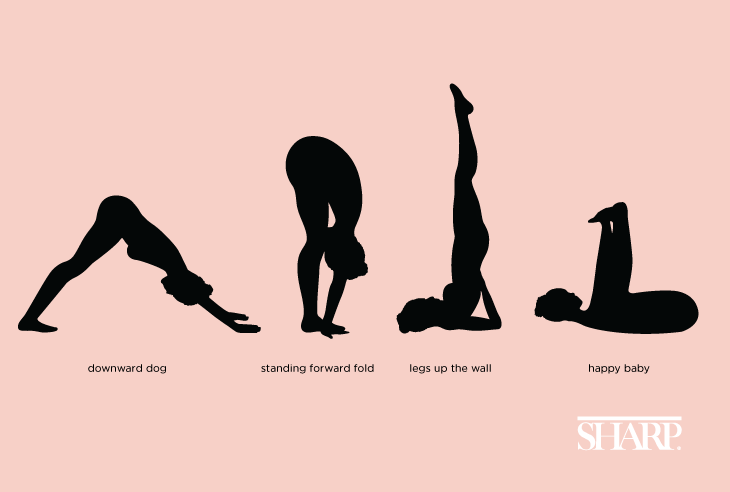
There are several restorative poses that increase blood circulation in a gentle way, such as downward-facing dog, standing forward folds, legs up the wall and happy baby.

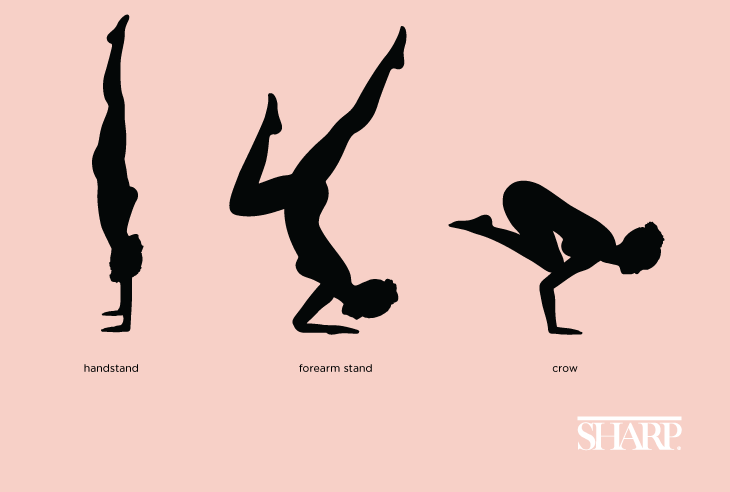
Then, there are more intense, strengthening inversions — handstands, forearm stands and crow pose — that require supporting your body weight on either your hands or forearms.

These postures require — and build — a lot of body strength and endurance. Both the restorative and strengthening inversions benefit the heart and can help reduce the risk of cardiovascular disease.


The VEBA Resource Center offers Sunrise Yoga Classes. Join this early morning yoga class, perfect for all levels, to help you start your day grounded, centered and focused. Check out our calendar to sign up for an upcoming class.

Take a Breath

From Sharp Health News, a publication of Sharp HealthCare

Mindful breathing can be a valuable practice to deal with distractions, complexities and stress. It can improve your ability to pay attention and help you regulate your emotions, become calmer and experience fewer negative effects on your physical and emotional health.

Here are 3 breathing exercises you can start practicing.

  • Sitting mindfulness meditation. Use your breath as a focus of attention, placing attention wherever your breath is strongest. At your nostrils, feel your breath come in and out; at your chest, feel the movement up and down; or at your stomach, feel the in and out of your breathing. If you notice that your attention has left your breath, gently bring it back.
  • 7/11. This involves a slow inhalation on the count of seven, and a slow exhalation on the count of 11 to help regulate both respiration and heart rate and calm the sympathetic nervous system, activated during times of stress.
  • S.T.O.P. You can do this any time of day when you encounter stress, challenges and difficult emotions:
    • Stop what you are doing for a moment.
    • Take a few deep breaths.
    • Observe what is going on, bringing attention to the sensations in the body where your stress and emotions register.
    • Proceed with your day.

The VEBA Resource Center offers Sound Healing Therapy Classes. You’ll be guided through soothing exercises of breathing, humming, tapping and energy clearing, followed by a deep relaxation meditation and sound bath, leaving you feeling more refreshed and energized. Check out our calendar to sign up for an upcoming class.