The Power of Prevention: Reduce Your Risk for Common Cancers

The National Cancer Institute estimated that in 2025, roughly 2 million people were diagnosed with cancer in the United States. Based on this research, breast, lung, prostate, and colorectal cancers account for almost 50% of all new cancer cases in the US.

With cancer affecting so many people each year, adopting preventive measures has become more important than ever. By focusing on lifestyle modifications and early detection, you and your loved ones can significantly reduce your chances of developing cancer and live long, healthy lives.

Learn about prevention, screenings, and lifestyle tips that can help protect you and your loved ones against these common cancers.

Skin Cancer

Did you know: Skin cancer is the most common type of cancer. It often appears on areas of the body exposed to the sun, such as the head, face, neck, back, chest, or shoulders.

Colon Cancer

Did you know: The American Cancer Society estimates that over 152,000 people in the U.S. will be diagnosed with colorectal cancer in 2026. However, the number of people diagnosed has steadily declined since the mid-1980s due to increased screening and changing lifestyles.

Lung Cancer

Did you know: According to the Lung Cancer Research Foundation, about 20% of lung cancer diagnoses occur in people who have never smoked, which is why awareness and screening recommendations are important for many adults.

Breast Cancer

Did you know: According to the American Cancer Society, the average risk of a woman in the United States developing breast cancer sometime in her life is about 13% and the median age at the time of breast cancer diagnosis is 62.

Prostate Cancer

Did you know: According to the American Cancer Society, about six in 10 prostate cancers are diagnosed in men who are 65 or older, and it is rare in men under 40. The average age of men when they are first diagnosed is about 67.


Don’t delay. Schedule your routine screenings and take proactive steps towards preventing cancer, as prevention truly is the best medicine. Download this infographic to see what other screenings you may need based on your age, and for appointment tips to get the most out of your visit. For more lifestyle tips that help with cancer prevention, read this blog.

Have you received a diagnosis or treatment plan and want to get a second opinion? As part of our CalVEBA medical plans, members can get a free expert second opinion through our partnership with Teladoc Medical Experts. This is a no-cost service that provides you with access to world-renowned doctors and specialists so you can have confidence before making major medical decisions.

Learn more at Teladoc.com/Medical-Experts or call 800-835-2362
The Importance of Preventive Care

Don’t wait until you’re sick to see your doctor. Preventive care isn’t just about avoiding illness—it’s about building a foundation for lifelong health.

What is Preventive Care?

Typically, you visit the doctor when you’re sick or something just doesn’t feel quite right. While you should always seek help in those instances, preventive care means taking proactive steps—like regular check-ups, screenings, and immunizations—to protect your health before problems arise.

These visits support early detection and give you and your doctor the opportunity to work together toward your personal health and wellness goals. During a preventive care appointment, your doctor will determine which tests or screenings are appropriate based on your age, gender, health status, and family history.

What’s Typically Covered?

Physical Exams

During a physical exam, your doctor will observe, listen, and gently examine your body to help identify symptoms, assess underlying conditions, and determine if further testing is needed. You’ll also have the chance to discuss any concerns, review your medical history, and review current medications.

Immunizations

Immunizations (or vaccinations) are one of the most effective ways to protect yourself from infectious diseases. They help your body build antibodies that recognize and fight illness if you’re exposed later.

Common immunizations include flu and tetanus shots, the measles, mumps, and rubella (MMR) vaccine, and hepatitis A and B vaccines.

Screenings

Member Moment

Meet Ginger
“It’s very hard to look your kids in the eye and tell them that you have cancer. When they told me I was cancer free, I felt like I could breathe for the first time. I had great insurance, and I know our members do too, so I hope this is encouraging them to get their yearly checkups.” – Ginger, Member since 2013

Watch Ginger’s full member moment here.

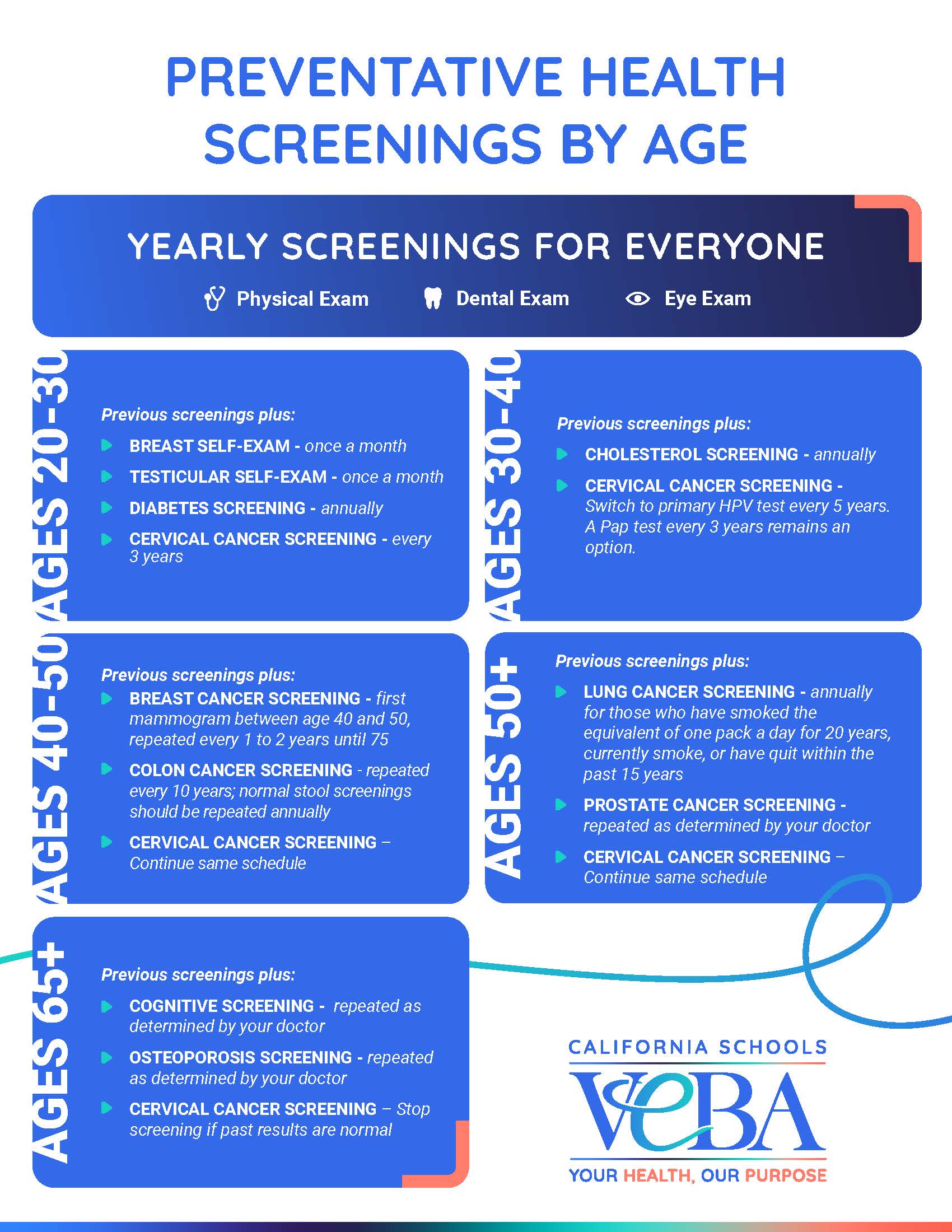
Screening tests help detect certain diseases before symptoms appear. Early diagnosis often leads to better outcomes and can prevent or delay complications. Use the infographic below to see which screenings may be recommended for your age group.

Preventative Health Screenings by Age, CalVEBA Infographic

Disclaimer:

This is a general guide for average-risk individuals. Higher risk may require more frequent screening. Consult with your health care provider.

Appointment Scheduling Tips

Preventive care appointments are usually covered at no cost with in-network providers. Check your plan documents to confirm coverage and costs.

Make the most of your doctor’s appointments by being well-prepared and organized using our Appointment Ready: Your Doctor’s Visit Prep Guide.

Here are some tips to help you get started:

Before Your Appointment:

  • Make a List: Bring a list of medications and jot down questions or concerns.
  • Bring Your Insurance Card: Download and save to your mobile wallet for easy access.

During Your Appointment:

  • Arrive Early: Arrive 10-15 minutes early to complete any paperwork. 
  • Dress Comfortably: Wear a shirt or loose-fitting sleeves for your blood pressure check. 
  • Use Your List: Review your list with your doctor. 
  • Speak Your Mind: Your time and health are valuable! 

After Your Appointment:

  • Follow Through: Take prescribed medications as directed and schedule any recommended follow-ups or screening. 
  • Speak Up: Report new symptoms or concerns promptly.  
  • Get a Second Opinion: If you’re unsure about a diagnosis or treatment plan, CalVEBA members can access second opinions from world-renowned specialists at no cost through our partnership with Teladoc Medical Experts

Preventive care can help you stay ahead of health issues and maintain overall well-being.

Download our Appointment Ready: Your Doctor’s Visit Prep Guide today and start planning for your next preventive care visit!


Thank you to our content partners at Sharp HealthCare and Healthwise.

Need help to schedule an appointment or have questions about your medical coverage? Contact the California Schools VEBA Advocacy Team here or call 888-276-0250.

Whole Health Coaching

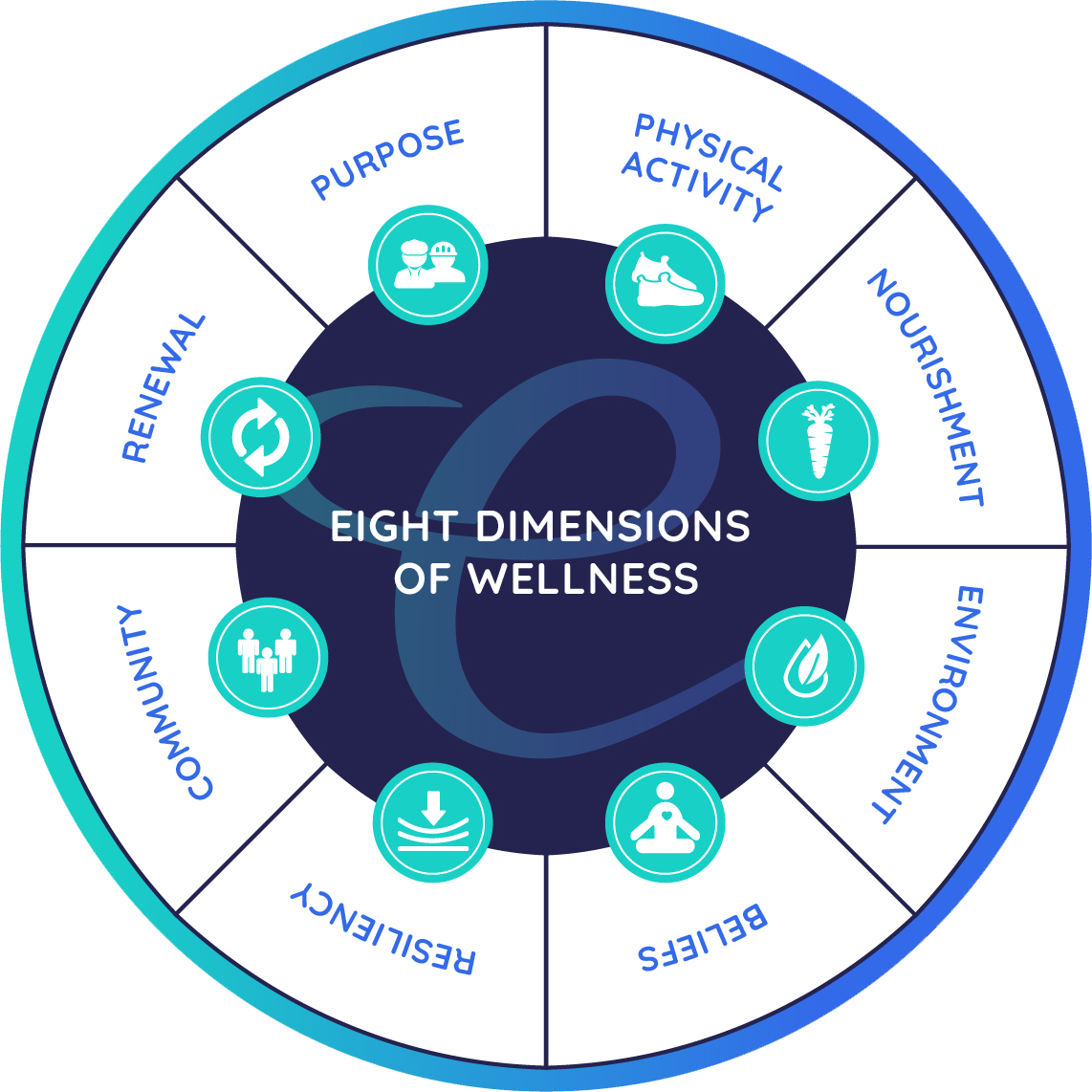
Eight Dimensions of Wellness and Community Full Chart

Whether you’re hoping to prevent or help treat chronic diseases, want more energy, or simply want to enjoy your life more, taking care of your mind and body is the key.

Taking care of your health is essential for feeling better in your body. Although it can take time to make life-changing habits, know that every small step counts. But it makes a world of difference when you have the right tools.

Between physical activity, nutrition, and other self-care tools, there can be a lot of trial and error in finding which tools are right for you. Luckily, you don’t have to do it all alone. Endless resources are available to help you learn how to better care for yourself.

Working with a health coach is an invaluable resource for taking control of your health. These trained professionals help you create an individualized plan to achieve your health and wellness goals and live up to your full potential.

Are you wondering if a Whole Health Coach is right for you? Keep reading to learn more about the process and the many benefits of working with one.

What is a Whole Health Coach?

So what exactly is a Whole Health Coach? A Whole Health Coach will hold your hand through this journey. Just like a sports coach, a Whole Health Coach is there to cheer you on while giving you actionable advice so you can achieve your goals and live up to your full potential.  

At the beginning of the program, you’ll have a consultation to review your health history. After this initial review, you’ll be connected with a coach to get started, At the end of the program, you’ll meet again to review your progress.

This individualized process sets you up for success as you learn new self-care strategies. Working with a Whole Health Coach also gives you access to professional care to further support your health journey. 

Benefits of working with a coach 

Working with a Whole Health Coach may seem daunting or intimidating but they’re there to support you. These professionals will help you practice mindful awareness as you adopt new habits and transform your health from the inside out. 

There are endless benefits to working with a Whole Health Coach. These benefits are just the tip of the iceberg: 

Achieve your goals 

What goals, health or otherwise, do you want to achieve? What does living to your full potential mean to you? Working with a Whole Health Coach gives you the guidance, insight, and tangible action steps to reach those goals.

These are just a few of the goals you could work towards:  

  • Prevent chronic disease through lifestyle changes 
  • Learn how to manage stress and overwhelm 
  • Combat chronic fatigue and exhaustion 
  • Feel good enough to further your career 
  • Have more time and energy to do the things you love 

You are capable of so much, but sometimes you need a little extra support to get to the next level. A Whole Health Coach will help you evaluate your personal strengths and use those to create a plan that helps you unleash your true potential. 

Accountability

One of the hardest things about caring for your health is figuring out where to start. You might have an idea of what changes you’d like to make but get overwhelmed with options. Or when you start a new wellness practice, you start strong but quickly stop. 

That’s what a Whole Health Coach is for. Most people need outside support and guidance to truly make a change in their lives. Your coach is there to give you personalized advice and to hold you accountable.  

A Whole Health Coach is someone that you can rely on as you go through your transformation. Your coach will help you build momentum and push you to keep going because it’s what’s best for you. They’re there to back you up so you can finally put yourself first.

Get personalized advice

There is a lot of information on health and wellness available. But what works for someone on social media won’t necessarily work for you. You are an individual with unique strengths, challenges, and goals. Your health journey will reflect that.  

Have you tried other wellness tools in the past that didn’t stick? It’s likely because you were missing a key piece. An effective health plan is one that’s personalized for you. You will connect with your Whole Health Coach to create a plan made just for you. 

You can think of this as your “personalized path to wellness”. Your coach is there to give you unobjective advice to help you reach your goals in a way that works for you.

The health coaching process

When you work with a Whole Health Coach, you’ll go through a specific process. Working together, you’ll create a plan covering your physical well-being, emotional and mental well-being, and daily life. You’ll also identify your current priorities and develop a comprehensive plan to help you achieve your goals. 

This is what the process looks like: 

  1. Program Consultation: You’ll start with a 30-minute consultation that includes a personal health inventory review and biometrics screening. This will help them gauge where you’re at and what you need to do to reach your goals.  
  1. Coaching Session 1: This is your first session with your Whole Health Coach. In this 55-minute session, you’ll work together to develop a personalized whole health plan. 
  1. Coaching sessions 2-6: You’ll continue to work with your Whole Health Coach in your next 5 sessions. During these sessions, you’ll have guided strategy discussions to help you adapt throughout the process. 

Is a Whole Health Coach right for you?

Working with a Whole Health Coach is a huge step that can make a massive difference in your life. How do you know if this process is right for you?

These are a few signs that working with a Whole Health Coach is right for you: 

  • You have a specific health goal you want to reach or a health challenge that you would like to change.  
  • You know having a professional partner will help you be more successful so you can reach your goals. 
  • You are ready to commit to making a change in your life. 

You can feel better and actualize your wellness vision. It will take work, but you can do it with the right support system. Take the first steps towards a happier, healthier you. Learn more about the Whole Health Coaching program. 

Eight Dimensions – Beliefs

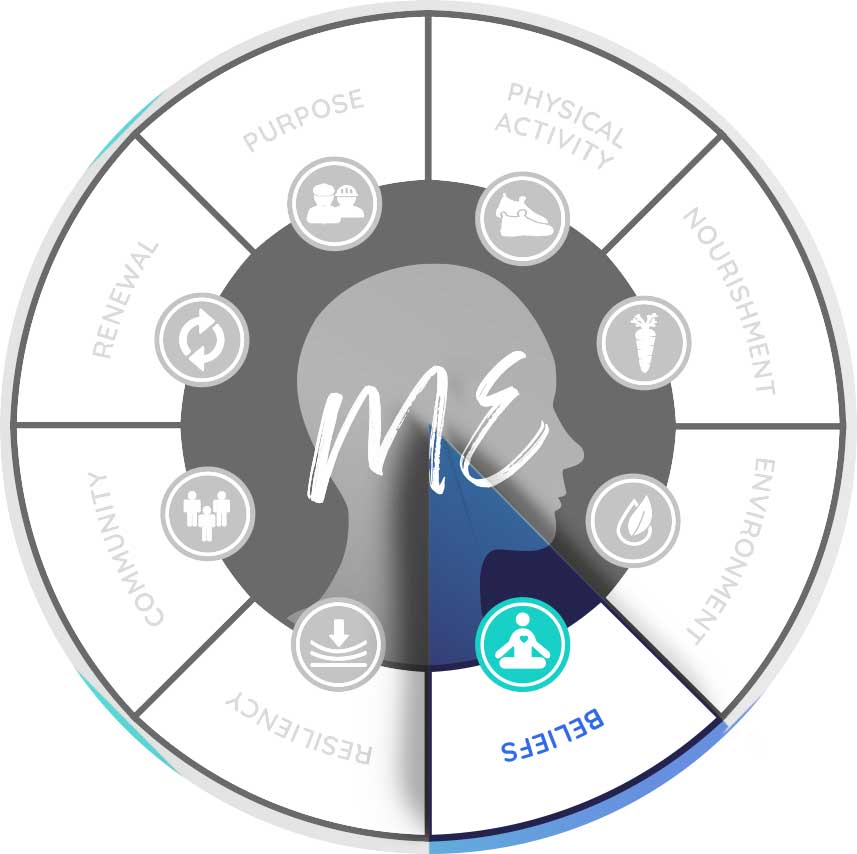
Eight Dimensions Chart focused on Beliefs

One of the fascinating aspects of our world is the diversity of perspectives and beliefs that individuals hold. These beliefs shape who you are and how you interact with the world around you. 

Understanding your beliefs and their impact on your life can provide you with meaning and purpose. While many associate beliefs primarily with religion or spirituality, they encompass much more. 

Your beliefs reflect your personality, cultural background, family influences, and the society you were raised in. They are dynamic and unique to each individual, yet they can also unite people through shared values. 

By exploring your beliefs, you gain a deeper understanding of yourself. This self-awareness supports your overall well-being, as beliefs can significantly impact both your physical and mental health. 

What is a Belief System?

Beliefs can be challenging to discuss because they are intangible. They represent the viewpoints and understandings people have regarding the world around them. 

According to the dictionary, “The belief system of a person or society is the set of beliefs they hold about what is right and wrong, and what is true and false.” 

A belief system helps individuals make sense of their reality, allowing them to organize their understanding of the world. While religion and spirituality are common examples of belief systems, many people develop personal beliefs based on their unique perspectives. 

Every decision you make is influenced by your beliefs, which function like GPS instructions programmed into your mind, guiding you in making choices. Beliefs affect everything from your decisions to how you care for your body and build community. 

Beliefs and Your Health

While the connection may not seem apparent at first, your beliefs and health are closely linked. Your beliefs form the foundation of who you are and guide every decision you make. 

Genetics and environment play significant roles in your health, but so do the everyday choices you make. Recognizing how your beliefs affect your health can empower you to make better decisions for your body and well-being. 

Life Purpose and a Sense of Meaning 

Beliefs act as an anchor, providing life with meaning. When you have strong beliefs, they instill a sense of purpose. Your beliefs are often shaped by your values. 

For instance, if you value environmental care, it becomes part of your belief system and can inspire you to organize beach clean-ups, donate to climate change charities, or minimize your plastic usage. 

Beliefs that foster a sense of meaning can motivate you to take significant actions in your life, whether that means pursuing a meaningful career or prioritizing time with family. When your actions align with your beliefs, it’s easier to feel fulfilled and experience a life of purpose. This fulfillment supports your mental health, confidence, and overall well-being.

Lifestyle Choices

Your lifestyle is a direct reflection of your beliefs. You may have encountered the term “lifestyle factors” in discussions about health. Your daily behaviors constitute your lifestyle, and over time, these choices impact your health. 

These behaviors include how you eat, your levels of physical activity, how you spend your leisure time, and more. For example, if you believe in not consuming animal products, this will influence your dietary choices. 

Alternatively, if you believe that it’s important to spend time outdoors each day, you might prioritize taking a walk each morning. If your current beliefs don’t align with a healthy lifestyle, remember that you can change them. Though it may take time, anyone can shift their beliefs.

Improved Mental Health

There is a direct connection between your mind and body. Your beliefs—how you perceive yourself and the world—can either support or hinder your mental health. 

Consider the power of “positive thinking.” If you spill your coffee, get stuck in traffic, and face a frustrating situation at work, your outlook can influence how you manage these challenges. 

It’s essential to note that having occasional negative thoughts doesn’t necessarily define your belief system. Such thoughts may arise as reactions but can fade quickly. If negativity becomes a pattern, consider taking proactive steps to support your mental health.  

Changing your beliefs can help prevent and alleviate mental health issues, stress, anxiety, and depression. Support your mental well-being through practices like meditation, journaling, or seeking professional help.

Sense of Community

Everyone desires a sense of belonging; it’s a fundamental human need. However, finding “your people” can take time. Your beliefs help create a community and foster a sense of belonging. 

Growing research supports the idea that a sense of belonging helps people better manage stress, be more resilient, and have better mental and physical health outcomes.  

You can form a clear community around your beliefs such as being part of an organized religion or club. You may also prioritize spending time with loved ones because that’s important to you – this is also part of your belief system.  

Forming a community helps make life more enjoyable while helping support your physical and mental health. These bonds can be even stronger when formed around your belief system.

Enhanced immune function

Another surprising way your beliefs may affect your health is by supporting your immune system. There is growing research on how your nervous system can affect your immune system.  

The immune system is different cells and organs that help protect your body from infection and illness. Your nervous system is responsible for sending messages between your brain and your body. Things like stress levels and the amount of sleep you get can impact your nervous and immune systems. 

What does this have to do with your beliefs? Just like your beliefs can impact your mental health, positive beliefs and emotions can help support healthy immune function, while negative ones may weaken the immune system. This field of study, called psychoneuroimmunology, explains why stress can make it easier for someone to get sick or develop an illness. 

When you experience physical or psychological stress, cells in your immune system release small proteins called cytokines. This is a normal response to an infection or injury. But when emotionally stressed, your body can release pro-inflammatory cytokines. This cycle can increase the risk of conditions like psoriasis, certain types of cancers, and coronary heart disease.  

While your beliefs are powerful, they are just one small part of your immune system. If you do happen to get sick or develop an illness, that doesn’t mean that there is anything wrong with your beliefs or your emotions.

What’s important to you?

Beliefs can vary widely across different cultures and individuals. There is no one right way to view the world or yourself. That means the ways someone’s beliefs can impact their health vary widely.   

Understanding your beliefs and how they can affect your health should be empowering. It means that you can change your beliefs and your actions. When you do that, you can also take control of your health and wellness. 

The great thing about beliefs is that they can change. With new information and the right guidance, you can change how you think, which can change your behavior. Examining your beliefs and changing them is one of the most powerful steps you can take to feel better in your body and your life.  

You can start changing your beliefs right now. Grab a journal and pen. Then take a few minutes to write down your core beliefs. Think about what 5 or more values are most important to you. When you document your beliefs you help to strengthen your sense of self and have a guide to use as you move through your life! 

References: 

  1. Is having a sense of belonging important?  
  1. Psychoneuroimmunology: Definition, Research, and Examples  
  1. Psychoneuroimmunology – an overview | ScienceDirect Topics  

Eight Dimensions – Environment

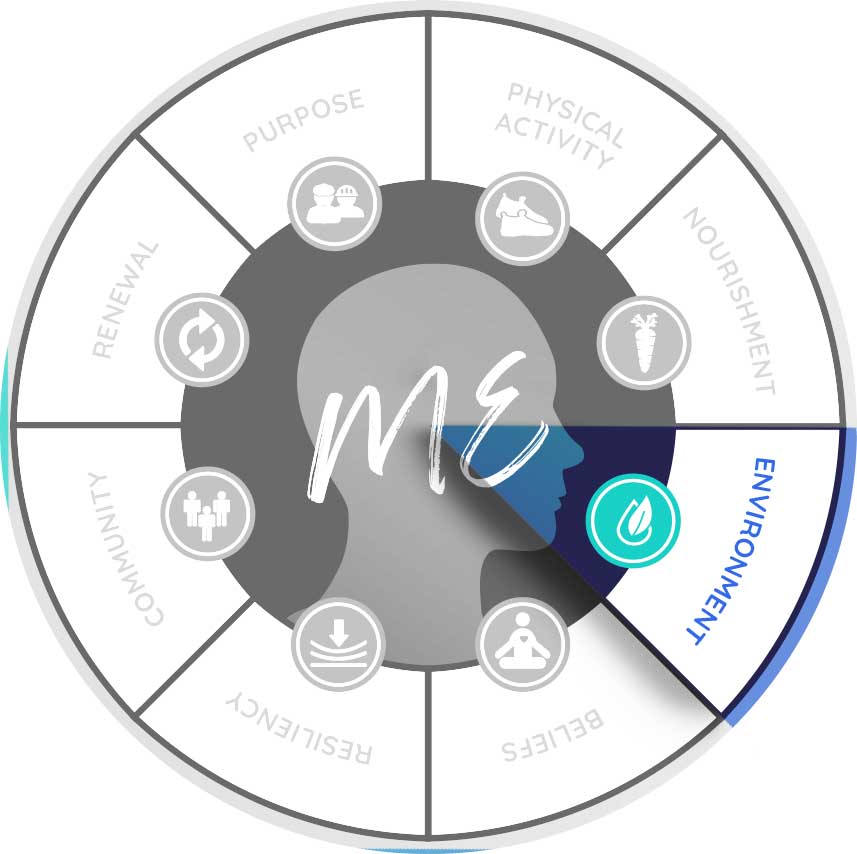
Eight Dimensions Chart focused on Environment

Your health isn’t just about what shows on your insurance records; it encompasses daily habits and activities that help balance your body and mind. The food you eat, how you move your body, and the people you surround yourself with all play a vital role in your health. One significant aspect to consider is your environment. 

Think back to a time when you felt stressed or overwhelmed. Perhaps you were sitting indoors on your computer or at work. After stepping outside for just five or ten minutes to breathe in some fresh air or to spend quality time with loved ones, did you notice how different you felt?  

That’s the influence of your environment. It consists of both the outdoors and the company you keep. Making time to be outside is one of the most impactful habits you can adopt to support your health. The world around you significantly affects how you feel daily. Explore how your environment can positively impact your health and consider ways to enhance it. 

Health Benefits of Being Outside

Exploring your environment promotes an active and healthy lifestyle. Spending time outdoors often involves physical activity, but you can still reap benefits even while sitting on your balcony or front porch. 

Physical Health 

Our bodies are designed to spend time outside, and numerous studies show just how beneficial outdoor activities are for our health. Here are a few ways being outdoors can support your physical well-being: 

Support Heart Health

Cardiovascular disease affects many people annually, but many cases are preventable through lifestyle changes. Being outside helps support your heart health by promoting physical activity, which in turn lowers cholesterol and blood pressure while improving circulation. One study found that adults who spent just thirty minutes in green spaces each week had a reduced risk of high blood pressure. 

Better Sleep Quality

Sleep is crucial for a balanced routine and impacts various aspects of your health, including hormones, cardiovascular health, and the immune system. Exposure to sunlight helps regulate your circadian rhythm—the body’s internal clock that indicates when to sleep and wake. Spending time outdoors can improve sleep quality and may help you fall asleep earlier. 

Improved Immune System 

Humans thrive when immersed in nature. Going outside may also enhance your immune system. Your immune system defends against harmful substances like bacteria and viruses. Research indicates that inhaling certain airborne microbes from plants can boost your immune response. These microbes, known as phytoncides, possess antibacterial and antifungal properties that support your immune system.

Mental Health

Your environment not only supports your physical health but also contributes to your mental and emotional well-being. 

It can be challenging to engage in healthy behaviors when feeling stressed. However, taking care of yourself, particularly by going outside, is one of the quickest ways to alleviate stress.  

Cortisol, a hormone released during stressful times, can accumulate if you’re constantly under pressure. Research shows that after just twenty minutes in nature, your cortisol levels may drop, helping to reduce your stress. 

Reduced Symptoms of Depression 

If you struggle with depression or its symptoms, spending time outdoors can help you feel more balanced. Much of this positive effect is attributed to sunlight. Studies indicate that light therapy can help treat seasonal and major depression due to its role in vitamin D production and sleep improvement. Even on cloudy days, being outdoors can enhance your mood. Individuals with depression often notice a reduction in symptoms within two to five weeks of increased outdoor activity. 

Increased Focus

If you have an important task to complete at work or school, going outside may boost your focus. One study compared two groups of people who were asked to perform a task that required concentration, like a math test. During breaks, one group spent time in an outdoor park while the other stayed on a busy street.  

The difference in their environments illustrates how being outside can significantly impact your mental clarity and focus. 

How to spend more time outside

No matter where you live or your lifestyle, there are always ways to spend more time in your environment. You have to be realistic and make it work for you. What’s most important is finding ways to be outside that you can make a habit of so it becomes part of your lifestyle.  

Here are some ways you can start spending more time outside:  

Start small

You don’t have to be a backpacker or wilderness explorer to enjoy the benefits of being outdoors. Spending time in your environment shouldn’t be intimidating. By starting small you can begin to notice how good you feel when you spend time outdoors and then go from there. 

Some ways to start small are by going for a ten-minute walk on your lunch break, eating outside if you have a yard or porch, and going to a park or the beach one evening to break up your normal routine.

Join a meet-up 

Exploring your environment is an opportunity to meet new people and connect with your community. Check online or on any local forums if you have any outdoor meetups near you. This could be a hiking group, bird-watching group, or yoga in the park. There are so many options! 

You can even make your meet-up by inviting friends and family to do an outdoor activity that would be fun for everyone.  

Try something new

Setting the goal to explore your environment lets you try new things. You may want to try a new hobby that involves being outdoors or explore a new place, there are so many options. 

Think about an outdoor activity that you’ve always wanted to try, are you able to do that? If you need some ideas, here are a few more activities you can try: 

  • Bike riding 
  • Reading in a park 
  • Hiking 
  • Swimming in a body of water or outdoor pool 
  • Stargazing 

Make a list 

If you don’t have anywhere in mind it can help to make a list of places you can easily go to when you’d like to spend time outdoors. Try to include ones you can get to in a short time like your neighborhood park and places you may want to take a day trip to or a longer excursion.  

You can look on Maps on your phone to find nearby green spaces to see what options you have near you. This can be fun and help inspire you to explore places you may not have gone to otherwise. 

Make a habit 

As you find more ways to explore your environment, note how you feel when you’re outside and what is enjoyable for you. Being outside is essential for your health, so find ways to do it that are enjoyable for you. When you enjoy something, it’s easier to form a habit that you keep doing.

Looking around at your environment 

Spending time outside and immersed in nature is great for your health. Another element of your environment is who and what surrounds you. The people, things, and places around you all impact your beliefs and values, and thus your overall life. 

American entrepreneur and author Jim Rohn teaches that “You are the average of the five people you spend the most time with.” Your community can inspire, support, and lift you. On the other hand, they can also bring you down if they’re not the right fit for you. Being aware of how the people in your life affect you is the first step in being proactive about changing your social environment. 

The reality is that you can’t always control your environment. What you can change are your reactions. Establishing boundaries, building resilience, and practicing self-care help you to strengthen so you can better control how you react to your environment. 

Being aware of your environment and how it affects you is one of the most important ways to care for yourself.  

References: 

  1. Nature and the immune system  
  1. ​​A 20-minute nature break relieves stress – Harvard Health  
  1. Health Benefits from Nature Experiences Depend on Dose – PMC  
  1. Research paper Time spent in outdoor light is associated with mood, sleep, and circadian rhythm-related outcomes  
  1. The wellness benefits of the great outdoors | US Forest Service  

5 Tips for Managing Blood Pressure at Home

There’s a good reason why every doctor’s appointment starts with a blood pressure check: Blood pressure is an important indicator of heart health.

According to the American Heart Association, nearly half of American adults have high blood pressure, when the force of blood flowing through their blood vessels is consistently too high. When left untreated, high blood pressure can lead to heart attack, stroke, and other health concerns.

However, with proper treatment and management, you can control your blood pressure to help you live a long and healthy life. Here are five ways everyone, especially those with high blood pressure, can keep their blood pressure in check:

1. Monitor your blood pressure on a regular basis.

If you don’t have a blood pressure monitor at home, that’s okay! It’s important to schedule your routine check-ups with your physician or doctor in combination with these healthy heart lifestyle tips. If you do have a blood pressure monitor at home, you should check your numbers daily with these tips:

  • Be still. Avoid smoking, caffeine, or exercise 30 minutes before measuring. Take at least five to 10 minutes of quiet rest before measurements.
  • Sit correctly. Sit with your back straight on a chair, feet flat on the floor, legs uncrossed, and support your arm on a flat surface at heart level.
  • Roll up your sleeves. Always be sure to put the cuff on a bare arm and not over clothing.
  • Be consistent. Take your blood pressure reading at the same time every day.
  • Record your results. Track your numbers using a printable or online tracker.

Dr. Todd Hitchcock, a cardiologist from ScrippsClinic, shares additional tips and techniques for checking your own blood pressure.

2. Know your risk.

A normal blood pressure reading is less than 120/80. If your first reading is 140/90 or greater, do the following:

  • Take your blood pressure again, two to three more times. Write down and compare all the readings, and if you are concerned about your numbers, consult with your doctor.
  • If your blood pressure exceeds 180/120, wait five minutes and test again. If your readings are still unusually high, contact your doctor immediately. You could be experiencing a medical emergency.
  • If your blood pressure is higher than 180/120 and you are experiencing chest pain, shortness of breath, back pain, numbness, weakness, change in vision, or difficulty speaking, call 911 immediately.

3. Take your prescribed medications.

Always take blood pressure medicines as prescribed. Never skip a dose or abruptly stop taking medicines.

4. Form healthy habits.

Whether you’re dealing with high blood pressure or concerned about your heart health, embracing an active lifestyle and adopting a heart-healthy, well-balanced diet with minimal salt can make a significant difference. Try including nutrient-rich foods like fruits, vegetables, whole grains, and lean proteins such as skinless poultry and fish, along with nuts and legumes into your daily meals. Regular aerobic activity, such as walking, bicycling, or swimming, can also help lower your blood pressure and strengthen your heart.

5. Manage stress.

Did you know untreated stress can increase blood pressure? Taking steps to reduce your stress can improve your heart health. Some stress-reducing tips include meditating, listening to music, trying aromatherapy, and taking a nap.


For more self-care tips to help you manage stress, download our free self-care toolkit.

The VEBA Resource Center offers many free virtual and in-person classes, from cooking and meditation to cardio and yoga. Check out our calendar to sign up for an upcoming class.