Eating for a Heart Healthier You

Heart-healthy eating doesn’t have to be complicated or restrictive, and caring for your heart isn’t about one big change, but the small, everyday choices that support your long‑term health.

You don’t have to give up the foods you love. Making simple swaps and practicing mindful eating can make a big difference in your heart health. Below, you’ll find simple ways to start building heart-healthy habits.

What is Heart-Healthy Eating?

Heart-healthy eating is a proactive approach to lowering the risk of heart disease, heart attack, and stroke. Embrace a plan that works for you! Here are some ways to start making small changes:

  • Prioritize fruits, vegetables, whole grains, beans, and high-fiber foods. 
  • Incorporate lean proteins such as seafood, lean meats, beans, nuts, and soy products. 
  • Avoid saturated and trans fats, limit sodium, and alcohol, and reduce added sugar intake. 

How to Get Started

Begin by reflecting on what truly matters to you. Your personal motivations will be the driving force behind your commitment to heart-healthy eating. Explore your feelings about change and identify both the challenges and positive aspects. Draw inspiration from past successes, times when changes were easier, and apply that wisdom to your current journey.

Celebrate every small victory, whether creating a grocery store checklist, meal prepping, or opting for a healthier substitute—each positive change contributes to your overall success.

What Does Heart-Healthy Eating Look Like?

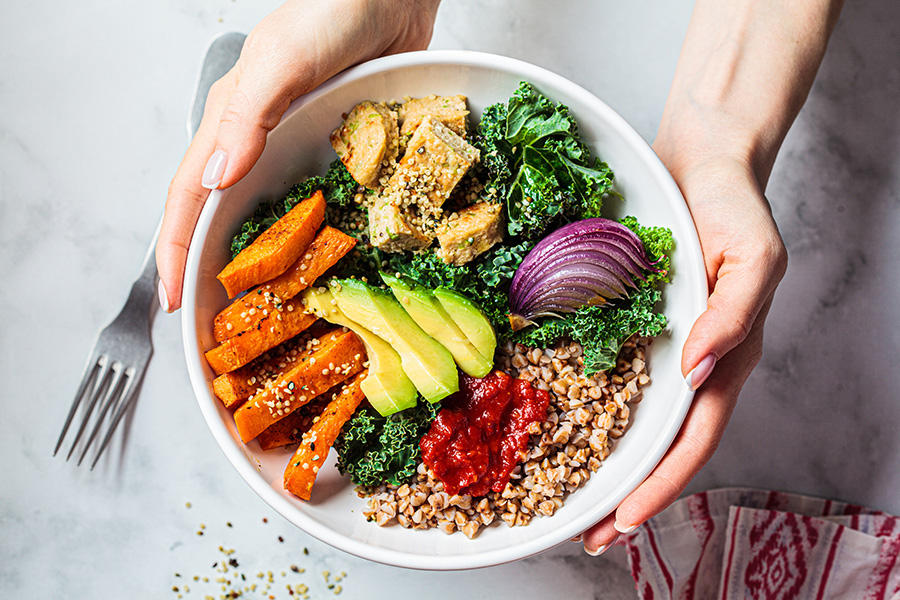
Choosing a heart-healthy diet doesn’t mean you need to say goodbye to your favorite recipes. Small modifications can make a big difference! Opt for heart-healthy choices by making small substitutions, like choosing:

  • Avocado oil or olive oil instead of shortening or margarine
  • Fat-free milk over whole milk
  • Lean proteins, such as ground turkey or extra-lean beef
  • Low-sodium alternatives or enhance flavor by replacing salt with herbs, spices, or lemon

5 Recipes for a Day of Heart-Healthy Eating

Healthy eating starts with food choices. You don’t have to be a chef when it comes to creating nutritious and heart-healthy meals for you and your family because the Resource Center’s Chef Leslie has got you covered! Here’s a sample day of heart-healthy meals you can try:

Visit our Recipe Library for more inspiration and easy substitutions/modifications for heart-healthy eating.

The Heart of the Matter

Small changes lead to big results. Start today and make heart health part of your everyday life. Your heart health is an investment in lifelong wellness filled with flavorful possibilities!

Visit The California Schools VEBA (CalVEBA) Cooking & Nutrition Hub to help you make informed choices about your dietary and lifestyle choices, supporting your journey towards better health and well-being.

The Resource Center offers many Cooking & Nutrition Classes. Join us to learn how to blend the art of food and cooking with the science of medicine to optimize your overall health and wellness – all while having fun! Check out our calendar to sign up for an upcoming class.

Do You Feel It In Your Gut?

There’s lots of buzz about gut health and how you can improve it, but probiotics alone are not the cure-all for gastrointestinal (GI) issues, as some may believe.

Probiotics are live microorganisms, often referred to as ‘good’ bacteria, that can provide health benefits when consumed in adequate amounts. They help balance the gut microbiome, support digestion, and can help improve some gastrointestinal conditions.

Probiotics

However, probiotics are considered safe for most people — except for people who are significantly immunocompromised — and may be worth using if they help with mild to moderate GI symptoms. 

More ways to help common GI symptoms include: 

  • High-fiber foods for people with symptoms of hemorrhoids or digestive conditions. 
  • Hydration and fiber for those with constipation. 
  • Avoidance of food triggers, such as caffeinated beverages, for people with reflux symptoms. 
  • General healthy lifestyle choices, including eating well, exercising, and avoiding tobacco and alcohol can also help. 

The Power of Protein & Fiber

While probiotics can be beneficial, incorporating adequate amounts of protein and fiber into your diet is essential for maintaining a healthy gut. Together, protein and fiber contribute to a healthy digestive system, supporting overall gut health and function. Your goal should be to aim for at least 10 grams of protein and 5-8 grams of fiber for your first meal.

Start Strong: Easy Options to Begin Your Day

  • An extra egg (96 grams of protein)
  • A scoop of protein powder (15-25 grams of protein)
  • ½ cup of Greek yogurt (10-12 grams of protein)
  • 4 ounces of tempeh (22 grams of protein)

Your gut plays a key role in your overall health and vitality. Take the first step towards better gut health with our Gut Check Toolkit. From lifestyle tips to delicious, gut-friendly recipes, it has the tools you need to nurture your digestive system and thrive.

Download The Toolkit

When to get help 

Unlike other organ systems, the GI tract can be taboo. Few individuals like to talk about their colon and bowel issues. However, it’s important to feel comfortable enough to discuss your digestive issues with your doctor so that you can find treatments to address potentially serious concerns. 

Symptoms that may indicate more severe GI tract problems include: 

  • Chronic diarrhea 
  • Rectal bleeding 
  • Black, tarry stools 
  • Unexplained weight loss or rapid weight gain 
  • Jaundice 
  • Iron-deficiency anemia 
  • Severe abdominal pain 

Talk with your doctor if you have new or concerning symptoms. Additionally, it’s important to get GI screening tests done at the proper age, such as colon cancer screening at age 45 for those who are at average risk.

Visit The California Schools VEBA (CalVEBA) Cooking & Nutrition Hub to help you make informed choices about your dietary and lifestyle choices, supporting your journey towards better health and well-being.

Not sure what preventative screenings you should be getting at your age? Download this infographic! 

Read this blog to learn more about colon cancer prevention. 

Learn about nutrition and holistic ways you can support your gut microbiome in CalVEBA’s Cooking & Nutrition classes led by Chef Leslie and Healing through Natural Medicine classes led by Dr. Ioanna Vouloumanou (Dr. V.) DAOM, LAc. Visit the class calendar to sign up for these educational classes.

This blog includes content from Sharp Health News, a publication of Sharp HealthCare.

Wellness in Motion: Why Movement Matters

Hippocrates

“If we could give every individual the right amount of nourishment and exercise, not too little and not too much, we would have found the safest way to health.”

Active Body, Healthy Life!

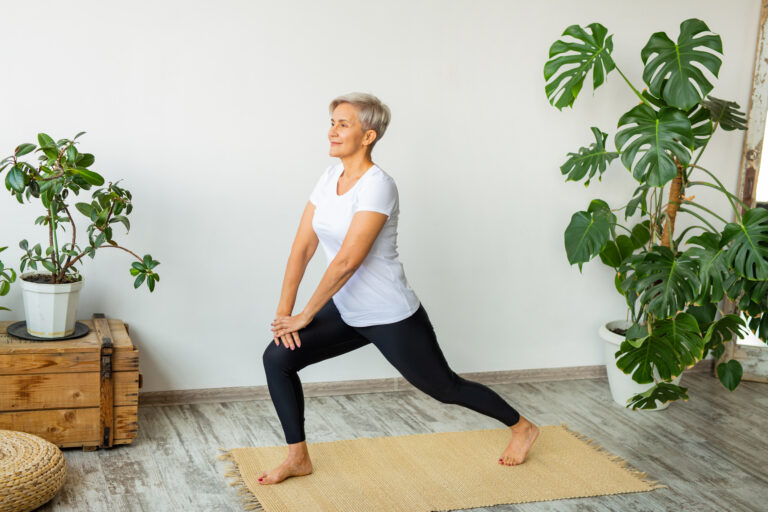
Physical activity is a key component of health and well-being. Incorporating movement into your day can positively impact your life in many ways, including:

Better Quality of Sleep

Improved Cardiovascular Health

Stronger Bones and Muscles

Easier Weight Management

Better Mood and Mental Health

Lower Risk of Diabetes and Certain Cancers

Individuals who engage in regular physical activity report higher levels of happiness and life satisfaction compared to those who are inactive, with a notable 30% increase in their overall sense of well-being.* Increased activity and movement was significantly related to life satisfaction and happiness in young, middle-aged, and older adults.

Tips for getting started

Start Slow

You don’t have to spend hours in the gym to reap the benefits of incorporating movement into your daily routine. As the saying goes, “One must walk before you can run.” Take five minutes this week to get in a stretch, go for a quick walk, or lift some light weights. Next week, make it ten. In no time at all, you will have created a new healthy habit!

Incorporate More Movement Wherever You Are

Did you know that we sit up to 15 hours a day? Fit in movement by making sure you stand up and move at least once an hour. Take the stairs, try a standing desk, park farther away, and add in exercise during commercial breaks while you’re watching TV.

Find Activities You Enjoy

Is there something you’ve always wanted to try? Now is the time! Is dancing your thing? Do you like to hike or swim? What about yoga? Be open to exploring different options.

Create a Routine

Make movement a habit, just like brushing your teeth. Schedule what you plan to do and when. Having SMART Goals (goals that are Specific, Measurable, Achievable, Relevant, and Time-Bound) increases the likelihood of your success by more than 90%. Checking in on your progress over time can be very motivating.

Seek Support

Do you prefer to work out solo or love a group? Either way, you don’t have to go it alone. Check in with an accountability partner or use a smart watch that tracks daily movement (steps, exercise minutes, etc.) to help you maintain momentum.

Additional Resources to Get You Moving

Movement & Flexibility Blog Posts

Check out our blog to learn about stretching, strength training, and more.

Blog Posts

Video Library

From beginner to advanced, we have the latest workouts you can do from the comfort of home (including yoga, full body, and hip-hop cardio).

Videos

Eight Dimensions – Physical Activity

Get an in-depth look at how movement not only helps your physical health but your mental health as well.

Physical Activities

Class Calendar

Stay active with free classes available virtually and in person.

Available Classes

Whole Health Coaching

Need a little extra help and guidance? This program begins with a consultation by a VEBA Care Navigator, a holistic Registered Nurse who reviews your health history and ensures your success by guiding you to the benefits and services that fit your needs.

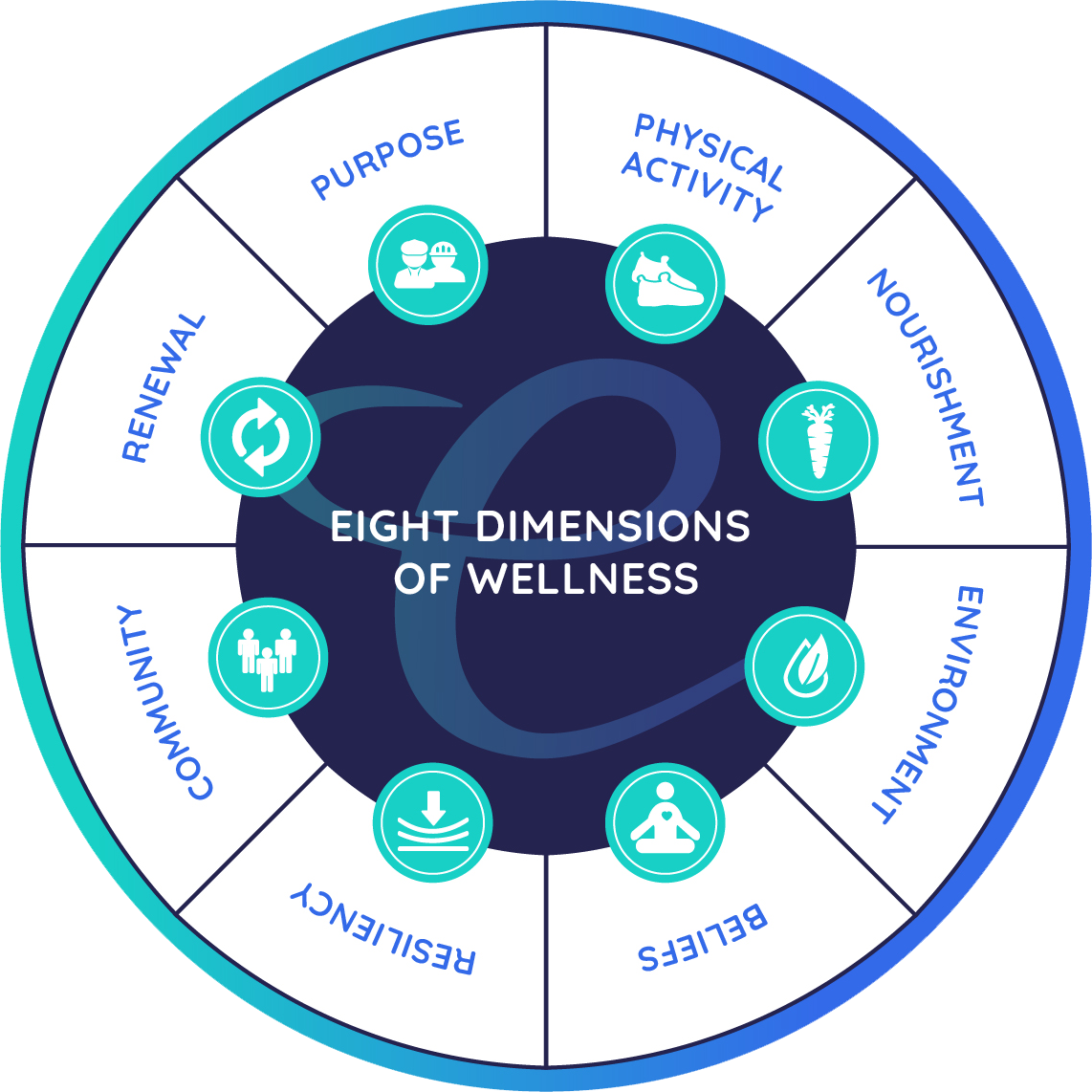
The Whole Health Coaching program can help you address a wide range of health and wellness areas, from stress management and healthy eating to managing chronic conditions and work/life balance, throughout the program and beyond. Through six virtual or in-person sessions, you’ll explore the Eight Dimensions of Wellness (which includes physical activity) and develop a tailored plan for improved well-being.

More Info

Whether you are just starting your journey or looking for ideas to stay motivated to move more, we are here to support you every step of the way!

*Source: Zhang, Z., Chen, W., & Chen, L. (2019). The relationship between physical activity and happiness: Journal of Happiness longitudinal study.

Beyond the Plate: How Nutrition Impacts Your Overall Health

Did you know?

A recent survey from the American Gastroenterological Association revealed that nearly 40% of Americans have limited their daily activities due to digestive issues.*  

Let’s explore how improving your gut health through diet can transform your overall health.

The Gut-Health Connection: Fueling Your Well-being 

What you eat directly impacts how you feel—it’s not just a saying; it’s a fundamental truth. If you’re feeling sluggish, experiencing digestive issues, or just not at your best, the answer might be on your plate. A well-balanced diet and a healthy gut are cornerstones of vibrant well-being and play a critical role in preventative care. 

Discover how nourishing your body from the inside out with the right foods can transform your health and fuel your body and mind.

VEBA Swoop, Long/Thin Version

Gut health can impact your health in many ways, including:

Inflammation

Chronic inflammation can lead to autoimmune diseases and obesity.

Your Immune System

An unhealthy gut increases the risk of infections and disease.

Weight Management

A gut bacteria imbalance can contribute to weight gain.

Skin Health

Imbalances can cause conditions like acne, eczema, and psoriasis.

Mental Health

Imbalances can lead to mood disorders (anxiety and depression).

Energy Levels

An unhealthy gut can lead to fatigue.

Gut health can impact your health in many ways, including:

  • Your Immune System – an unhealthy gut increases the risk of infections and disease 
  • Mental Health – imbalances can lead to mood disorders (anxiety and depression) 
  • Inflammation – chronic inflammation can lead to autoimmune diseases and obesity 
  • Skin Health – imbalances can cause conditions like acne, eczema, and psoriasis   
  • Weight Management – a gut bacteria imbalance can contribute to weight gain 
  • Energy Levels – an unhealthy gut can lead to fatigue

Nourishing Your Body: Practical Tips

Improving your digestion starts with good gut health. This entails adding the right types and varieties of foods to your diet, controlling portion sizes, staying active, and being mindful of your body’s signals after eating.

Here are some specific tips:

One man doing guided meditation yoga self care practice at home

Focus on Fiber

Load up on fiber-rich foods like fruits, vegetables, and whole grains. Aim for at least five servings of fruits and vegetables daily.

Group of people dancing for exercise

Variety is Key

Include a colorful array of fruits and vegetables to ensure you’re getting a wide range of vitamins and minerals.

Woman outside on a yoga mat meditating with laptop in front of her

Portion Control

Use smaller plates and bowls. Measure your portions to get a better sense of how much you’re eating. Be mindful of hunger cues and avoid overeating.

One man doing guided meditation yoga self care practice at home

Stay Active

Regular physical activity supports healthy digestion and overall well-being.

Group of people dancing for exercise

Mindful Eating

Pay attention to how your body feels after eating. Avoid eating too quickly and allow your body time to digest.

Supporting a healthy gut starts with a nourishing morning meal, as this sets the stage for efficient digestion and nutrient absorption throughout the day.

Want to learn how to make the most of your breakfast to benefit your gut and overall well-being? Download our Build a Better Breakfast guide.

Inside, you’ll discover why protein and fiber are so important for sustained energy and a healthy gut ecosystem, along with delicious recipes to help you incorporate them.

Additional Resources

Cooking & Nutrition Hub

Find tools and resources for your journey toward better health and well-being.

Hub Access

Recipe Library

Devour delicious and nutritious recipes the whole family will love.

View Recipes

Class/Event Calendar

Feel more confident in the kitchen by attending a virtual or in-person session on healthy eating or cooking.

Calendar

VEBA Blog

Explore numerous articles related to cooking, nutrition, and overall wellness, including articles on gut health.

Blog Posts

Preventative Care Screenings Infographic

Refer to this resource to find out what screenings you need based on your age.

PDF Infographic

Appointment Ready: Doctor’s Visit Prep Guide

This resource provides tools and information to get the most out of your visit to your healthcare provider.

Guide PDF

Need More Support?

Care Navigation – Start your nutritional wellness journey by meeting with a Care Navigator, a Registered Holistic Nurse. Together, you will create a customized strategy to help you become the best version of yourself. To learn more, visit: Care Navigation. 

Whole Health Coaching – Get support and guidance for healthy eating and overall wellness with this comprehensive six-session program. Led by trained coaches, you’ll develop a personalized plan that focuses on goal setting, behavior change, and habit formation. Visit Whole Health Coaching to get started.

Benefits Information/Assistance – Reach out to The California Schools VEBA Advocacy Team if you have questions about your benefits. Contact The Advocacy Team at 888-276-0250 Monday-Friday from 8 am-5 pm PST or fill out the contact form here.

*Source: American Gastroenterological Association: Daily Lives Disrupted By Digestive Troubles,

Whole Health Coaching

Eight Dimensions of Wellness and Community Full Chart

Whether you’re hoping to prevent or help treat chronic diseases, want more energy, or simply want to enjoy your life more, taking care of your mind and body is the key.

Taking care of your health is essential for feeling better in your body. Although it can take time to make life-changing habits, know that every small step counts. But it makes a world of difference when you have the right tools.

Between physical activity, nutrition, and other self-care tools, there can be a lot of trial and error in finding which tools are right for you. Luckily, you don’t have to do it all alone. Endless resources are available to help you learn how to better care for yourself.

Working with a health coach is an invaluable resource for taking control of your health. These trained professionals help you create an individualized plan to achieve your health and wellness goals and live up to your full potential.

Are you wondering if a Whole Health Coach is right for you? Keep reading to learn more about the process and the many benefits of working with one.

What is a Whole Health Coach?

So what exactly is a Whole Health Coach? A Whole Health Coach will hold your hand through this journey. Just like a sports coach, a Whole Health Coach is there to cheer you on while giving you actionable advice so you can achieve your goals and live up to your full potential.  

At the beginning of the program, you’ll have a consultation to review your health history. After this initial review, you’ll be connected with a coach to get started, At the end of the program, you’ll meet again to review your progress.

This individualized process sets you up for success as you learn new self-care strategies. Working with a Whole Health Coach also gives you access to professional care to further support your health journey. 

Benefits of working with a coach 

Working with a Whole Health Coach may seem daunting or intimidating but they’re there to support you. These professionals will help you practice mindful awareness as you adopt new habits and transform your health from the inside out. 

There are endless benefits to working with a Whole Health Coach. These benefits are just the tip of the iceberg: 

Achieve your goals 

What goals, health or otherwise, do you want to achieve? What does living to your full potential mean to you? Working with a Whole Health Coach gives you the guidance, insight, and tangible action steps to reach those goals.

These are just a few of the goals you could work towards:  

  • Prevent chronic disease through lifestyle changes 
  • Learn how to manage stress and overwhelm 
  • Combat chronic fatigue and exhaustion 
  • Feel good enough to further your career 
  • Have more time and energy to do the things you love 

You are capable of so much, but sometimes you need a little extra support to get to the next level. A Whole Health Coach will help you evaluate your personal strengths and use those to create a plan that helps you unleash your true potential. 

Accountability

One of the hardest things about caring for your health is figuring out where to start. You might have an idea of what changes you’d like to make but get overwhelmed with options. Or when you start a new wellness practice, you start strong but quickly stop. 

That’s what a Whole Health Coach is for. Most people need outside support and guidance to truly make a change in their lives. Your coach is there to give you personalized advice and to hold you accountable.  

A Whole Health Coach is someone that you can rely on as you go through your transformation. Your coach will help you build momentum and push you to keep going because it’s what’s best for you. They’re there to back you up so you can finally put yourself first.

Get personalized advice

There is a lot of information on health and wellness available. But what works for someone on social media won’t necessarily work for you. You are an individual with unique strengths, challenges, and goals. Your health journey will reflect that.  

Have you tried other wellness tools in the past that didn’t stick? It’s likely because you were missing a key piece. An effective health plan is one that’s personalized for you. You will connect with your Whole Health Coach to create a plan made just for you. 

You can think of this as your “personalized path to wellness”. Your coach is there to give you unobjective advice to help you reach your goals in a way that works for you.

The health coaching process

When you work with a Whole Health Coach, you’ll go through a specific process. Working together, you’ll create a plan covering your physical well-being, emotional and mental well-being, and daily life. You’ll also identify your current priorities and develop a comprehensive plan to help you achieve your goals. 

This is what the process looks like: 

  1. Program Consultation: You’ll start with a 30-minute consultation that includes a personal health inventory review and biometrics screening. This will help them gauge where you’re at and what you need to do to reach your goals.  
  1. Coaching Session 1: This is your first session with your Whole Health Coach. In this 55-minute session, you’ll work together to develop a personalized whole health plan. 
  1. Coaching sessions 2-6: You’ll continue to work with your Whole Health Coach in your next 5 sessions. During these sessions, you’ll have guided strategy discussions to help you adapt throughout the process. 

Is a Whole Health Coach right for you?

Working with a Whole Health Coach is a huge step that can make a massive difference in your life. How do you know if this process is right for you?

These are a few signs that working with a Whole Health Coach is right for you: 

  • You have a specific health goal you want to reach or a health challenge that you would like to change.  
  • You know having a professional partner will help you be more successful so you can reach your goals. 
  • You are ready to commit to making a change in your life. 

You can feel better and actualize your wellness vision. It will take work, but you can do it with the right support system. Take the first steps towards a happier, healthier you. Learn more about the Whole Health Coaching program. 

Eight Dimensions – Nourishment

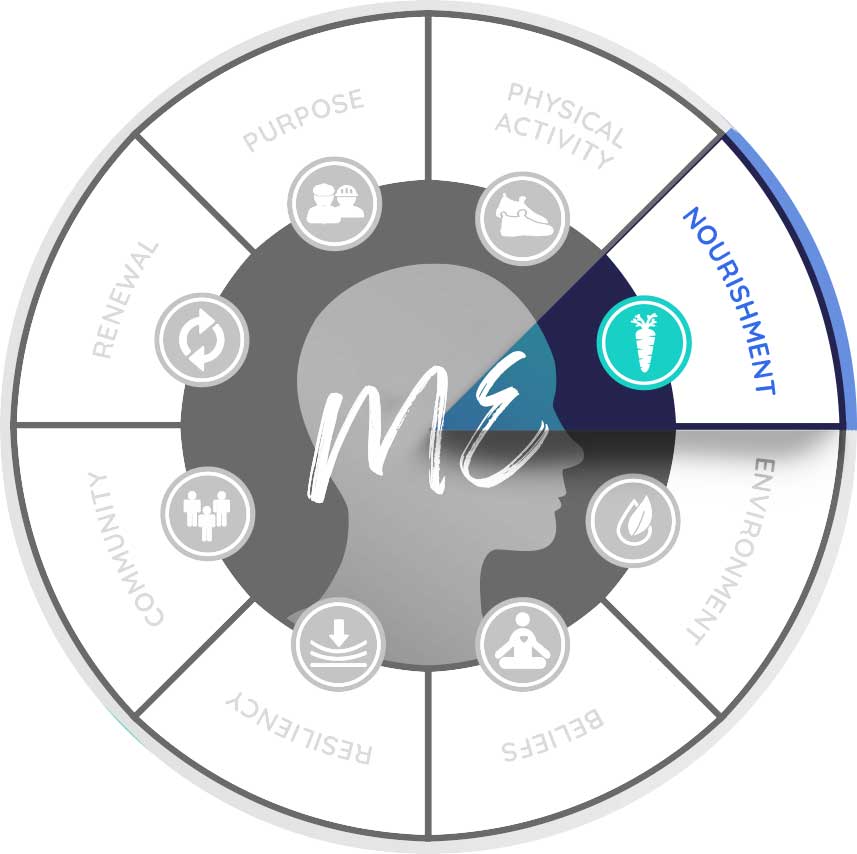
Eight Dimensions Chart focused on Nourishment

You’ve probably heard the term “you are what you eat”, well there’s a lot of truth to that. The food you put into your body can hugely impact your health. It can also deeply “nourish” you. 

If you haven’t put much thought into nourishment before, that’s ok! Nourishing your body shouldn’t be complicated. All you need is to understand what different nutrients do and how to find a balanced diet for you and your body. 

Nourishment and your health

Nourishment is the idea that whatever you eat or consume provides you with the energy and tools your body needs to function properly. Food gives you energy, but choosing the right foods also gives your body the different nutrients and building blocks it needs to thrive.  

Many people haven’t had proper education on how food can affect their bodies. Or they don’t know how to find the time or money to eat healthily.  

There is a lot of research on how diet affects certain chronic health conditions. The risk of developing certain conditions like obesity, heart disease, stroke, type II diabetes, and certain cancers is increased when someone doesn’t have a healthy diet.  

Eating a balanced and nourishing diet can help minimize your risk of developing certain health conditions or manage ones you have already been diagnosed with. It also helps you feel more energized, focused, and stable throughout the day. 

What is a balanced diet? 

The term “balanced diet” is commonly used, but what does it mean? A balanced diet includes a wide variety of foods in the right proportions.  

All food contains calories, which are just units of energy. Different foods contain different amounts of calories and you want to prioritize foods that give you more nutrients for fewer calories. This usually means eating whole foods like fruits and vegetables, legumes, lean meat, and whole grains. 

While it varies depending on someone’s age, sex, and physical activity level, the average adult needs about 2,000 calories daily to get enough energy and maintain their weight. Unless you’re trying to lose or gain weight, you don’t generally need to count calories, instead focus on getting the right nutrients.  

Understanding Nutrients

What exactly are nutrients? Nutrients are substances in food that are essential for your body’s development, growth, and maintenance.  

Different foods contain different nutrients. These nutrients tell the cells in your body how to perform specific functions. Food gives your body the information it needs so it knows how to perform daily. 

These are the six main categories of nutrients: 

Water: Yes, water is an essential nutrient! Your body needs water for many functions like digestion, waste removal, and regulating your body temperature. There’s no one-size-fits-all rule for water, but most people should aim for four to six cups a day! If you have trouble drinking enough water, you can increase your intake by eating water-rich foods like watermelon and cucumber and adding flavor to your water with things like lemon. 

Proteins: Protein is essential for building and repairing tissues, especially muscles. It also helps with growth and development in children, teens, and pregnant people. Foods with high amounts of protein include eggs, beans and lentils, fish and meat, and tofu. 

Carbohydrates: Found in foods like rice, bread, pasta, fruits, vegetables, and legumes, carbohydrates are the body’s main source of energy. The body needs a type of sugar called “glucose” for energy. When you eat carbohydrates, the body turns them into glucose so you have more fuel, especially when performing any type of physical activity. 

Fats: Fats are not scary, your body needs them to function! Fats help you stay energized, keep your cells healthy, and help you absorb certain vitamins. You can get healthy, “unsaturated” fats from foods like olive oil, avocados, nuts, and fatty fish like salmon. 

Vitamins: Different vitamins are responsible for all sorts of things in your body including supporting your immune system and regulating your hormones. While you can get some vitamins from supplements, it’s important to eat foods that are high in vitamins A (dairy and dark-colored fruits), D (dairy and fish), E (dark leafy greens), and B vitamins (legumes and animal products).  

The exact amount you need of each nutrient depends on your age, gender, activity level, and other variables. Working with a health coach or nutritionist helps give you more detailed guidelines that work for you.  

Set yourself up for success 

One of the biggest reasons people have a hard time eating healthy is time. You’re so busy with work, school, family, and life that preparing food becomes your last priority. 

This is understandable but you don’t need to spend all your time in the kitchen to be able to eat healthy. Instead, you need to plan ahead so you can set yourself up for success. 

Here are some ways to do that: 

  • Keep a list of healthy meals and snacks – you can look for inspiration and recipes on social media and online. 
  • Write a grocery list before going to the store based on your meal list. 
  • If you’re able to, ordering groceries online can save you time. 
  • Meal prep for the week so you always have something healthy on hand. 
  • You can meal prep in big batches and freeze extras. 

Using these tips will help you always have nourishing food on hand. If you are busy and need to order dinner last minute – that’s ok! It’s nice to have the majority of your meals planned out so you can be flexible when you need to.  

Focus on adding instead of restricting

For many people, changing their diet makes them feel like they’re restricting themselves. A helpful framework that can create lasting changes is “adding instead of restricting”. 

If you tend to eat lots of processed foods like fast food or packaged foods, you don’t need to cut these completely out. Instead of completely restricting, add foods that offer more nutrients for your body like the ones listed above.  

Adding healthy foods into your diet means your overall intake offers more nutrients for the calories that you’re eating. A great way to start doing this is by filling half of your plate with vegetables and the other half with protein like fish or chicken. You’ll still have room for a small serving of something that’s not nutrient-dense like macaroni and cheese, while prioritizing nutritious foods.  

No food is “bad”, you just need to prioritize eating certain foods to feel better in your body. When you focus on adding in foods that are more nourishing and beneficial for your body, you still leave room for the sweets and treats that bring you joy. Joy is also an important part of nourishment! 

Nourishing YOUR body

While there are overarching guidelines about nourishing your body, the most important thing is that it works for you and your lifestyle. Your diet doesn’t need to be strict, instead focus on nourishing your body with foods that make you feel good.

A healthy diet for you means: 

  • Eating in a way that lets you connect to your culture and your loved ones. 
  • Eating in a way that’s financially sustainable for you. 
  • Be mindful of any allergies or sensitivities (ask your doctor about testing for them). 
  • Be patient with yourself, learning how to nourish your body can take time.

Food is meant to be enjoyed. It’s a way to connect with your body, what you’re eating, and who you’re eating it with. There’s no “perfect” diet, what matters is that it works for you and your body, and feels nourishing. 

References: 

  1. How Does Food Impact Health? | Taking Charge of Your Wellbeing 
  1. Protein in diet: MedlinePlus Medical Encyclopedia   
  1. Carbohydrates: What They Are, Function & Types  
  1. Vitamins: MedlinePlus Medical Encyclopedia  

Eight Dimensions – Physical Activity

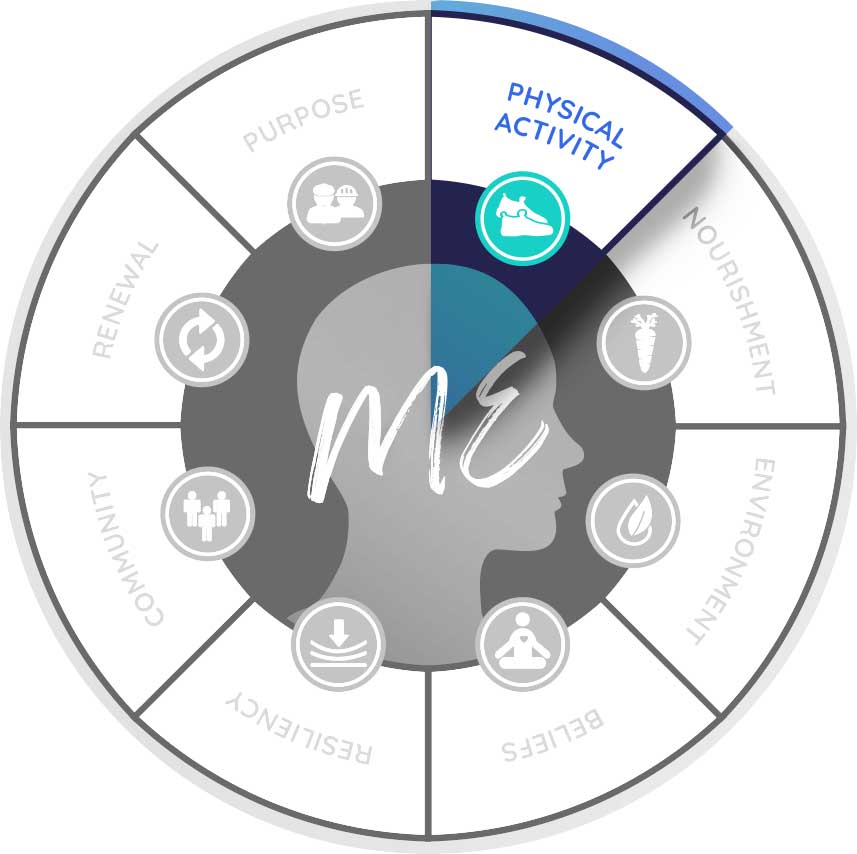
Eight Dimensions Chart focused on Physical Activity

The best way to care for your health is by making daily lifestyle choices that help support your body. That’s especially true when it comes to movement. 

Regular physical activity is one of the most important preventative health measures and one of the best ways to increase overall well-being. Exercising can seem intimidating if you’re not used to it and don’t know where to start. 

Anyone can find some sort of physical activity that works for them. Learn why physical activity is essential for physical and mental health and how to practice it daily.  

Physical activity and your body 

Many people think of physical activity as a way to change their body’s appearance. It’s essential to a balanced lifestyle and to support your overall physical health. 

According to the World Health Organization (WHO), physical activity is any bodily movement that uses energy by moving your muscles. Activities that are both moderate-intensity like walking and vigorous-intensity like lifting weights are great for your health. 

Physical activity plays a huge role in preventing and managing chronic illnesses like cardiovascular diseases, strokes, certain types of cancer, and diabetes, yet one in four adults do not meet the global recommended levels of physical activity.

These are some of the top benefits of staying physically active: 

  • Improved bone health 
  • Improved cardiovascular health 
  • Improved blood sugar regulation 
  • Maintain a healthy body weight 
  • Better sleep 

There are so many more benefits that physical activity can do for your health. It is one of the most important foundational pieces for the health of your body. 

Physical activity for your mental health

Regular physical activity isn’t just important for your physical health, it’s also important for your mental health. Have you ever noticed your mood change after walking or moving your body? That’s the power of physical activity and much of that is thanks to hormones. 

Hormones are chemical messengers in your body that regulate all bodily processes like mood, sleep, and mental health. When you exercise, you release chemicals in the brain like endorphins and serotonin. These hormones make you feel good and are essential for your mental health. Endorphins are released to help relieve pain or stress – such as when exercising. Serotonin carries messages from your brain to your body and plays a big role in mental health, sleep, and hunger.  

Above it’s mentioned that physical activity helps improve your sleep, which is important for your mental and physical health. When you get better sleep, it makes it easier to manage your mood and symptoms of stress. 

There is extensive research on the role physical activity has on mental health. People who get regular physical activity have significantly lower rates of mental health conditions like anxiety and depression. While it’s not a cure-all for anyone, especially those with clinical conditions, it can help improve symptoms.  

Researchers have found that 30–35 minutes of low-intensity aerobic exercise – 3–5 days a week, for 10–12 weeks – was best for increasing positive moods. Walking, cycling, pilates, and yoga are all great forms of low-intensity aerobic exercise.

Here are just a few of the many ways physical activity can support your mental health:

  • Improve your cognition and focus 
  • Increase feelings of relaxation 
  • Decrease stress levels 
  • Distract you from negative thoughts 
  • Increase energy levels 

Besides being essential for your health, moving your body in new and sometimes challenging ways is rewarding. Physical activity can help build your confidence, improve self-esteem, and give you the satisfaction of achieving a goal.

How much physical activity do you need?

Physical activity needs to work with your body and your lifestyle. Not everyone has the same physical abilities, accessibility, or time when it comes to physical activity and that’s ok. 

Still, there are general recommendations for how much physical activity the average person should get every week. Adults aged 18 to 64 need at least 20 to 40 minutes of moderate-intensity aerobic physical activity per day, like riding a bike. An hour to two hours of vigorous physical activity every week like swimming, is also recommended. You can also switch between moderate and vigorous activities throughout the week. 

Children and adolescents ages 5 to 17 should aim for an average of 60 minutes per day of moderate to vigorous intensity physical activity. That can look like playing an organized sport or just playing with their friends outside.   

When you think about how much physical activity you get each week, also factor in work and lifestyle. If you’re on your feet all day at work then you’re getting a lot more physical activity than someone who works a desk job. For people that work desk jobs, or don’t get much movement during work, you may need to carve out more time for physical activity outside of work. 

People with disabilities, chronic conditions, or those who are pregnant may need some extra guidance on finding what works for them, like from their medical care team. Remember that any movement is better than none, even if it’s a ten-minute walk after dinner! 

The best kinds of physical activity

Physical activity shouldn’t be intimidating, so any movement you add to your day is a great start. Ideally, that should include moderate and vigorous movement, cardiovascular activity, and strength training. Essentially it’s important to get your heart rate up regularly (if it’s healthy for you to do so) and engage and strengthen your muscles. 

There is no “best kind” of physical activity, but it helps to have a guideline or “menu” to choose from.  

These are all great options for moderate-intensity physical activity: 

  • Riding your bike 
  • Dancing 
  • Gardening 
  • Brisk walking 
  • Hiking 
  • Yoga 

You can also try these vigorous-intensity exercises: 

  • Circuit training 
  • Jumping rope 
  • Running 
  • Boxing or kickboxing 
  • Cycling sprints 

You may already be doing things in your daily life that you don’t realize are contributing to your overall physical fitness. Things like doing household chores, chasing after a toddler, or walking to school or work are all great forms of moderate physical activity.

Find what works for you

It can be overwhelming to start exercising if you’re not used to doing it. Many people believe physical activity needs to be a huge endeavor like training for a marathon. 

While it is important to push your body a little bit, physical activity should be something you can do sustainably. That means it’s something that’s accessible and practical enough that you can easily incorporate it into your daily life. 

When figuring out what type of physical activity is best for you, accessibility doesn’t just mean what your body is capable of, it also means what makes sense financially. You don’t have to pay a lot of money to join a gym or get a personal trainer. Moving your body can be completely free! 

Physical activity also doesn’t have to be boring! One way to make it more sustainable is by finding things you love doing that bring you joy. That could be hiking or joining a group sport. If you’re just starting, try walking around your neighborhood, practicing a sport you liked when you were a kid, or finding a workout video on YouTube. Physical activity should be accessible, so it needs to make sense for your body and lifestyle.  

There’s no “perfect” way to practice physical activity, the most important thing is that it works for you, your body, and your lifestyle. Even if you only have time for a little bit here and there, every minute counts! 

References: 

  1. Physical activity  
  1. ​​Role of Physical Activity on Mental Health and Well-Being: A Review – PMC  
  1. Exercise and mental health  
  1. ​​Endorphins: What They Are and How to Boost Them  
  1. Serotonin: What Is It, Function & Levels  
  1. Looking after your Mental Health using Exercise.  

Gut Check: The Link Between Gut Health and Mental Health

You may have heard sayings like “trust your gut,” “go with your gut,” or “a gut instinct.” These phrases all refer to an innate knowing or consciousness that comes from ​within us — specifically,​ our gut.

Interestingly, a growing body of scientific research reveals how our gut affects the rest of our bodies and even our mental well-being. This interconnectedness between our mind and gut health is becoming increasingly evident. In this article, we’ll review this connection and explore ways you can support your mental health by supporting your gut health.

What is the Gut-Brain Connection? 

You may not know but your gastrointestinal (GI) tract and your brain are constantly communicating with each other. This two-way conversation happens along what is called the gut-brain axis. It plays a crucial role in regulating both digestive function and mental function. This communication occurs through several pathways including: 

  • Enteric Nervous System (ENS) – two thin layers of more than 100 million nerve cells that line your GI tract, running from the esophagus to the rectum, and is often referred to as the second brain 
  • Vagus Nerve – one of the 12 cranial nerves that runs down and throughout your body 
  • Gut microbiome – the community of (friendly) bacteria and other microorganisms in your gut that produce or help produce chemical neurotransmitters 

Your Gut Health, Your Mental Health 

The gut-brain axis sends and receives information from your brain. The health of one can have a big impact on the health of the other. 

Stress Resilience

Recent studies shows that your gut health has a significant connection to how well you respond to and bounce back from stress. More specifically, people who are more resilient to stress have a microbiome that supports a reduction in inflammation and a strong gut barrier. This research suggests that a strong barrier enables the body to absorb nutrients better and blocks toxins that would create inflammation. If you have a weak barrier and lack the microbiome that prevents inflammation, a signal will make its way to the brain in the form of stress, priming your mind and body to be unable to let go of stress mode. 

Depression

The link between gut health and depression is becoming increasingly clear. One study discovered that people with depression and anxiety had less of a certain kind of bacteria related to the production of these short-chain fatty acids than others. Another study found gut microbiomes that lacked bacteria diversity often correlated with people living with depression.  

Mood Changes 

If you or someone you know is living with irritable bowel syndrome (IBS), constipation, diarrhea, and other stomach issues, you may notice mood shifts. That’s because your gut-brain axis communicates this irritation to the central nervous system — resulting in mood changes. A high percentage of people with these stomach issues often develop depression and anxiety, too. 

Taking Care of Your Health

Now you know the impact your gut health has on your mental health. How can you use this knowledge to support your mental health?  

Gut Healthy Diet 

What you eat plays a key role in maintaining a healthy gut. Certain foods can either promote or disrupt gut health. Try incorporating more: 

  • Probiotic foods and beverages like yogurt, sauerkraut, kefir, miso, tempeh, kombucha, and kimchi. 
  • Prebiotic foods like asparagus, apples, artichokes, bananas, oats, onion, garlic and prebiotic beverages.  
  • Soluble and insoluble fiber through fruits, ​vegetables​, beans, oats, legumes, barley, whole wheat, berries, and nuts. 
  • Antioxidants through ​vitamins ​C and E, beta carotene, and ​selenium-rich​ foods and drinks. 

In addition to what you add, it’s a good idea to consider what you need to take away. To reduce inflammation, consider saying no to foods with a high ​added sugar​ content, fried foods, packaged foods, and more. Studies suggest a link between eating highly processed foods and depression and anxiety. Don’t worry. There is room for most things in a healthy diet. So, you don’t have to go overboard in saying goodbye to a sweet treat or fast food forever. Let it be a ​“​nice to have sometimes​”​ rather than a ​“​have all the time.​”​   

Download “Gut Check: Your Essential Starter Kit” for guidance and recipes to support your journey toward better gut health. This starter kit provides practical tips and delicious recipes to help you incorporate gut-friendly foods into your diet and make informed choices about what to avoid.

The VEBA Resource Center offers members virtual cooking classes. You can learn how to cook deliciously and nutritiously for your gut. We also have a library ​of ​cooking videos featuring recipes you’ll love. Learn more here. 

Regular Exercise

Exercising regularly can improve the health of your gut and, therefore, mental health. Exercising increases gut mobility, improves circulation, strengthens digestive muscles, boosts your metabolism, and improves your sleep — all things good for your gut. You don’t have to run a marathon or take up extreme weightlifting. Any movement sustained for at least 30 minutes that elevates your heart rate and brings a sweat but allows you to ​breathe enough​ to talk is your goal.  

You and your doctor know your health needs best. It’s important to check with them before trying any new exercise. If you get the ok, try to exercise five days a week. But don’t let the idea of perfection get in the way of the good. Some weeks five days may be doable, and some weeks it may not. One day is better than no days. Also, you can break up the 30 minutes into two 15-minute increments or three 10-minute increments.  

Approach exercise with realistic expectations of self and consider reaching out for support. Joining a gym, hiring a trainer, or asking a friend to be an accountability buddy can be a huge help. The VEBA Resource Center has a library of on-demand videos for members that lets you exercise wherever and whenever works for you. Take a look at what we have to offer. 

Meditation

Meditation and mindfulness practices are recognized as having many health benefits. We know it intuitively from the general feeling of wellness after a few moments of mindful breathing or listening to a guided meditation. A study confirmed that deep meditation regulates your gut microbiome, therefore, supporting your mental health. You can use tools like a ​meditation​ app, go for ​a ​walk in nature, ​do ​yoga, and more. The VEBA Resource Center also offers virtual meditation classes so you can practice when and where it works for you. 

Here for Your Whole Health

We’re ​here​ to help you live your healthiest life. ​California ​​Schools ​VEBA offers resources, information, and support in a way that works for you. In-person or virtually, we’re here for your whole health.  

Discover Your Personalized Path to Wellness 

Whether you’re navigating a health challenge or striving to enhance your overall well-being, our Whole Health Coaching Program is designed to support you every step of the way. 

Partner with a dedicated Whole Health Coach to create a personalized wellness plan that addresses your physical well-being, emotional/mental health, and daily life. 

This program is ideal for you if: 

  • You have a specific health goal or challenge you want to tackle. 
  • You value professional guidance and support. 
  • You are ready to commit to making positive changes in your life. 

Take the first step towards a healthier, happier you. For more details, visit calveba.org/whole-health-coaching.