
Alimentos que Ayudan a Bajar el Colesterol

Por parte de Sharp Health News, una publicación de Sharp HealthCare

Sabemos que la dieta contribuye y ayuda a mantener un peso saludable. Pero, ¿sabía también que la dieta puede desempeñar un papel importante para ayudar a reducir el colesterol y a su vez, reducir el riesgo de enfermedades del corazón?

El colesterol, una sustancia como cera que viaja a través del torrente sanguíneo, puede limitar el flujo sanguíneo y provocar un ataque cardíaco o un derrame cerebral. Pero no todo el colesterol es malo. La buena noticia es que hay alimentos que pueden ayudar a reducir los niveles de colesterol y mejorar otros factores de riesgo de enfermedades cardíacas:

Alimentos Ricos en Fibra: La fibra dietética, particularmente la fibra soluble de los cereales integrales, como la avena, el arroz integral y la quinua, así como las frutas, verduras y legumbres (frijoles, chicharos y lentejas) pueden ayudar a reducir el colesterol LDL. Las mujeres deben consumir al menos 25 gramos de fibra por día y los hombres deben consumir al menos 38 gramos de fibra.

Fitoesteroles: La mayoría de los alimentos vegetales (frutas, verduras, legumbres, aceites vegetales, nueces, semillas y granos integrales) contienen una pequeña cantidad de una sustancia llamada esteroles y estanoles vegetales, también conocidos como fitoesteroles, que pueden ayudar a reducir el colesterol LDL.

Ácidos Grasos Omega-3: Se ha demostrado que reemplazar las grasas saturadas con ácidos grasos omega-3 saludables para el corazón reduce los niveles de triglicéridos o grasas en la sangre y aumenta los niveles de colesterol HDL. Los alimentos ricos en omega incluyen:

  • Pescados y otros mariscos, especialmente pescados grasos de agua fría, como el salmón, la caballa, el atún, el arenque y las sardinas
  • Nueces y semillas, como linaza, semillas de chía y nueces
  • Aceites vegetales, como aceite de linaza, aceite de soya y aceite de canola
  • Alimentos fortificados, como ciertas marcas de huevos, yogur, jugos, leche, bebidas de soya y fórmulas infantiles

También es importante limitar la ingesta de alimentos ricos en grasas saturadas, ya que pueden aumentar el colesterol LDL y el riesgo de desarrollar enfermedades cardíacas, derrames cerebrales y obesidad. Además, el ejercicio es importante para mantener la salud del corazón.


VEBA Resource Center ofrece Clases de Cocina y Nutrición. Únase a nuestro equipo de amantes de la comida compuesto por un chef, un dietista y un médico para aprender a combinar el arte de la comida y la cocina con la ciencia de la medicina para optimizar su salud y bienestar en general, ¡todo mientras se divierte! Consulte nuestro calendario para inscribirse a una clase.
5 Pumpkin Recipes To Enjoy This Fall

While most folks may link pumpkins to Halloween and carving, there is so much more this fall favorite can do. Pumpkins are rich in Vitamins A, C and E, low in calories and high in antioxidants. Pumpkins are packed with fiber, helping you stay full longer and suppress your appetite. Check out these healthy pumpkin recipes from VEBA’s Chef Leslie Myers!

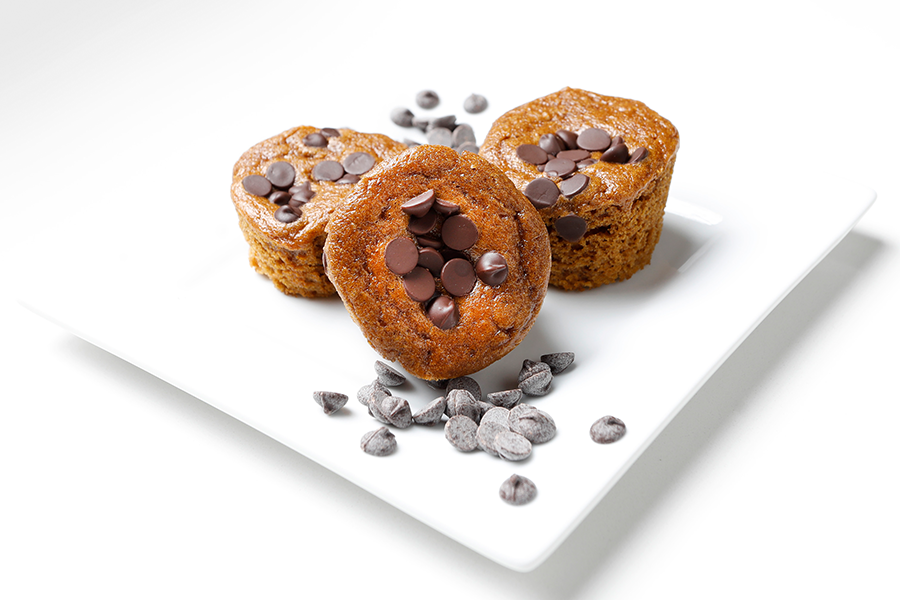
3 pumpkin spice and chocolate chip muffins on a plate

Pumpkin Chocolate Chip Muffins

Just in time for Fall, Chef Leslie has a delicious, grain-free Pumpkin Chocolate Chip Muffin recipe that the whole family can enjoy!

Glass of Pumpkin Spice-Cauliflower Protein Smoothie

Pumpkin Spice-Cauliflower Protein Smoothie

Change up your smoothie routine this fall with our Pumpkin Spice-Cauliflower Protein Smoothie, packed with vitamin A and beta-carotene.

Pumpking bread slices and loaf on a cutting board with walnuts scattered around

Pumpkin Spice Quick Bread

This tasty, Pumpkin Spice Quick Bread is the perfect seasonal snack or sweet! Plus, it’s super easy to make! You can whip up the batter in a blender or by using a bowl and whisk.

Stack of Pumpkin Spice Protein Squares with pumpkins and cinnamon sticks

Pumpkin Spice Protein Squares

These Pumpkin Spice Protein Squares are made with protein powder for an added health benefit while still having that delicious pumpkin taste!

Circular baking dish with Low Sugar Crustless Pumpkin

Low Sugar Crustless Pumpkin Pie

This delicious Crustless Pumpkin Pie has all the flavor of pumpkin pie without all the sugar. By substituting granular monk fruit sweetener for the sugar, you get all the pumpkin pie taste without any added sugars.

We hope these yummy pumpkin recipes spice up your holiday season! If you are interested in trying more holiday-inspired recipes, browse through our recipes here or join one of Chef Leslie’s upcoming cooking & nutrition classes here.

Leveling-Up Your Takeout And Prepared Food

Do you feel stuck ordering from the same take-out menu over and over again? Do you sacrifice taste for the convenience of prepared grocery store items? If you’re ready to spice things up a bit, here are our tips and tricks for leveling-up your takeout and prepared foods at home!

Our Favorite Tip:

One thing we have found helpful for enhancing our food is keeping a bunch of green onions, cilantro, sprouts, and a bag of spinach in our fridge constantly. You can add more flavor and nutrients to any of your take-out items such as soups, burritos, pizza, Thai food, and more. Learn more below on how to add flavor to specific dishes!

Level-Up Delivery Pizza:

  • Top your pizza with cheese and order thin crust if possible.
  • Add sliced onions, mushrooms, peppers, olives, and/or tomatoes to your order.
  • From your fridge at home, you can add thinly sliced basil and fresh spinach after your pizza has been delivered. You can even make a salad to go with your pizza!

Level-Up Soups and Pasta Sauces:

  • When the soup or pasta sauce is still hot, take a handful of spinach and toss it in your bowl. The heat will wilt the spinach, causing it to easily mix in, adding a hint of greens to your meal!

Level-Up Your Favorite Take-Out Orders:

  • When ordering Thai food and noodles, try doubling the vegetables.
  • Half the cheese but double the vegetables on your next delivery pizza.
  • Try your favorite burrito with half the cheese to create a mostly bean filling. Then add fajita vegetables if available.
  • Instead of using mayo, try using fiber-rich hummus and/or avocado as a spread on your next sandwich. Don’t forget extra delicious vegetables.
  • Mix a handful of seeds or nuts, olives, and/or avocado into your next salad.

Leveling-up your favorite takeout and prepared food orders is as easy as that. The next time you are wanting to spice up your daily meals, use some of these tips and tricks!

How to Meal Prep

Meal prepping has become increasingly popular over the last few years. To some it intimidates; to others it liberates. Meal prepping is simply the act of taking a few hours to prep several meals in advance. Some prepare meals for the upcoming week while others create meals that can be frozen and eaten at a later time. For the purpose of this article, we’ll be focusing on weekly meal prep to help take the guesswork out of what’s for lunch or dinner. Let’s begin!

Brainstorm Meal Ideas

The key to meal prepping is to have a plan. Start your meal prepping with ideas on what you want to make. If you are at a loss, start by Googling “meal prep ideas” or search on Pinterest for inspiration. You can even find a library of healthy recipes here on our website. Jot down ideas you like and categorize your list into breakfast, lunch and dinner. Don’t feel like you have to do all three — if you only want to prep lunch or dinner, go for it! Also, keep it simple. Try to plan for a well-rounded meal: protein, vegetables/fruit and a whole grain. By taking some time to write down what meals you are going to prep, you will take the guesswork out of your planning. 

Map Out Meals

Now that you know what you want to prep, take a look at the calendar. Each day during the week, write down what meal you’ll be eating. This will help you figure out quantities for your grocery shopping. Also, it will help you figure out what to cook and when. Remember, leftovers are a cook’s best friend! 

Make a List & Go Grocery Shopping

You have brainstormed and planned meals, now it’s time to get shopping! Look at the menu you have drafted and write down the ingredients you need. Create different columns for categories to help shorten your time at the grocery store. Start with these categories, adjust as needed and then go shopping:

  • Fresh Produce
  • Dairy
  • Meat/Poultry/Seafood
  • Deli
  • Frozen
  • Inner Aisles – Condiments, Canned, Bread

Tip: The following foods are great for meal prepping:

Carbs: Brown Rice, Quinoa, Lentils, Legumes, Whole Wheat Pasta

Protein: Chicken, Turkey, Lean Ground Beef/Steak, Tuna, Eggs, Fish

Veggies: Broccoli, Cauliflower, Spinach, Spring Mix, Green Beans, Asparagus, Cucumbers, Brussels Sprouts, Kale, Mushrooms, Carrots, Bell Peppers, Sweet Potato (Carb), Spaghetti Squash (Carb)

Prep for Preppin’

Cleaning out your refrigerator before you go to the grocery store is ideal. If you need to do it after, no worries — just do it before you start unloading.

Once you start unloading groceries, set aside the items you need for your meal prep. Wash and chop your produce as needed. Measure out ingredients. Get out your cooking appliances and supplies and get your meal prep containers ready.

Start Cooking!

You have a plan, your grocery shopping is done and you’re ready to get cooking! Set aside about three hours on your meal prep day — Saturday or Sunday suggested. Then, consider another 1.5 hours mid-week. Don’t forget to have fun! Turn on your favorite music channel or podcast and enjoy your ‘alone’ time. 

Don’t be afraid to mess up — sometimes the best meals are made when something didn’t go as planned. As you prep more and more, you’ll start to have favorite meals you rotate. Here are some ideas to get you started:

  • Slow cooker chicken for salad toppings, tacos, BBQ chicken sandwiches
  • Protein bowls: Roasted vegetables and your choice of protein with brown rice
  • Salads: Greens, chopped vegetables, protein of choice, hard-boiled eggs, black beans, dressing
  • Soups and chili

Benjamin Franklin said, “If you fail to plan, you plan to fail!” Start simple and grow your meal plans little by little. The more you meal prep, the easier it will be. Have fun while cooking and feel good about the fact that you are creating healthy, delicious meals for you and your loved ones.

For delicious, healthy recipes, visit our recipes page, and for more meal prepping tips, read “Meal Prep Like a Pro.”

Spice Up Your Fall

As the weather becomes cooler, it is helpful to transition your diet to incorporate certain spices that support circulation, digestion and overall well-being. VEBA Resource Center’s Holistic Practitioner, Dr. V, explains four spices to incorporate into our food and tea during the Fall season.

Ginger – In small amounts, ginger can be used regularly to tonify and strengthen digestion.  Large amounts of ginger, whether as tea or in food, can induce sweating to help move out a cold.

Nutmeg and Cloves – Not only are these spices delicious but they can strengthen the digestive system, and keep the body warm. Add these spices to vegetable stews, coffee or baked goods to reap the benefits this fall.

Cinnamon – A super spice, cinnamon has antioxidant, antidiabetic and antibacterial properties. Feeling a cold coming on?  Add cinnamon and nutmeg to a little black coffee or a pumpkin latte, go for a walk, and then sweat it out.

Pumpkin Spice – Create your own pumpkin spice this fall by combining ginger, nutmeg, clove and cinnamon together. This combination of sweet, hot, and pungent will liven your tea, coffee and baked goods. 

Be sure to use these spices in moderation, as too much may cause you to overheat.  But when used in balance, they disperse toxins from the body and to circulate our metabolism, blood and fluids. They also help relieve excess fullness and stimulate vitality. 

Watch our “Fall Spices” video on YouTube and check out our Fall Wellness Series for more tips on boosting your overall health this season.

Simple Breakfast Tips to Keep You Fueled & Focused

Some consider breakfast as the most important meal of the day. Start your day off right with a simple, healthy breakfast to keep you fueled and focused. VEBA’s Chef Leslie Myers offers simple breakfast tips to keep you going all day long.

  1. Have Ingredients on Hand: Every week when you meal prep, don’t just think about dinner, think about breakfast, too. Be sure to have eggs available as those can be used for almost any breakfast recipe but also add turkey bacon, whole wheat English muffins, chopped veggies and low-fat cheese to your list. If you eat dairy, don’t forget the milk (if you don’t eat dairy, buy a milk alternative).
  2. Add More Vegetables: Instead of ‘avoiding this or that’, try adding in more vegetables. Try and get a variety of colors: red peppers, green peppers, white onions, green scallions, white mushrooms, etc. to include with your omelet or breakfast skillet.
  3. Change Up the Spices & Add-Ins: Even if you use the same main ingredients every day — eggs and vegetables — you can change up the spices and add-ins to create a new taste. You can change from cumin to garam masala to oregano and basil for a new taste every day. Then, if you change up your add-ins, like avocados for omelettes or pumpkin seeds and granola for your yogurt, you’ll have something new to try.
  4. Don’t Overthink It: Your mornings are already busy enough. Save the massive breakfast feast for the weekends, and focus on creating quick, healthy breakfasts for your family. An egg omelet with whole wheat toast or a yogurt “parfait” with fresh fruit and granola are the perfect ways to start your day.
  5. Eat Together as a Family: Who says dinner is the only time to eat together as a family? This may not be possible but if it is, give it a try. You don’t need to do it every day — maybe you designate certain days your kids have to roll out of bed earlier to sit with the family — but it will be worth it. 

Breakfast is a must, and making sure everyone is fueled and fed for a focused day is so important. For breakfast recipe ideas, check out VEBA Resource Center’s library of recipes.

Lunch Pack Hacks

Working from home doesn’t mean you can totally slack off. Even if you have children home while you work, or you are holding a classroom from your computer, treat your days as if you had to leave the house every day. In every lunch, whether it’s large or small, you should always aim to eat a lot of vegetables. They can be fresh, grilled, baked or sauteed. If you need quick energy and are active, you should include some unrefined carbohydrates such as whole wheat bread or quinoa. To slow your energy burn and hold you over in between meals, be sure to include some “healthy fats” such as avocado. And, of course you can always have a protein source as well (tofu, lentils, beans, chicken breast, edamame, seitan, etc). 

Here are some tips for making lunches that go beyond the deli:

Leftovers for Lunch

Make a recipe for dinner that can easily be reheated for lunch the next day. Cook large-batch recipes such as chili, soups or pasta dishes. Pack them in individual containers and if you are working/schooling from home, you can simply heat them up for lunch the next day. If you have to go into work, heat up a portion and keep it hot in a thermal food jar.

Sandwiches & Salads

Be sure to keep basics in your refrigerator to make sandwiches or salads. You could also do a veggie platter with some hummus/salsa/guacamole dip as a simple lunch! The veggies would already be washed and cut, and you could make your hummus/guac on your meal prep day. Give your salad a makeover and wrap it up! Using a whole wheat tortilla or a lettuce leaf, stuff your salad in it and then wrap it up! 

Keep It Consistent

If you have been trying to eat well, one way to keep your healthy streak going during the lunchtime hour is to keep things consistent. Using protein prepped from the night before (i.e. grilled chicken, turkey burger patties, etc..), chop up some veggies during your meal prepping and then create a salad or a bowl. Include protein, vegetables, a healthy fat and natural carb. Consider using balsamic vinegar (without the oil) or your favorite salsa as your salad dressing.

Create a Calendar

Yes, create a lunch menu! Mark down each day what you think you’ll be having for lunch. Consider dinners that can make for great leftovers, or even look at the school’s lunch menu and create your own variations! 

Packing a lunch, whether you are eating at home or in your classroom, can be challenging. By incorporating some of these tips, you will have a variety of healthy, hearty lunches for the entire family! 

Meal Prep Like a Pro

Getting back to school means a change in routine for most busy families, and the last question you want to hear at the end of the day is, “What’s for dinner?” Instead of heading to the drive-through or heating up a store-bought frozen meal, you can put together some quick, healthy meals with just a little bit of planning. Consider the following tips to help you meal prep like a pro!

Create a Weekly Menu

Planning your meals in advance will not only help you put together your grocery list but also help you get organized for the week. When creating your meal plan, keep it simple! Start with dinner and then consider lunches and breakfast. You can simply Google “meal prep tips” to find videos, websites and apps for ideas. For about $15 a month, yourdinnerisplanned.com will create meal plans and grocery lists for five meals a week for you! Or, check out the app Prepear that also allows you to search recipes, create menus and grocery lists. The VEBA Resource Center always has healthy and delicious recipes for when you need a little inspiration.

Grocery Shop In Person or Online

After you’ve created your meal plan for the week, create your grocery list. To save time and money, make a list and stick to it. Grouping items together like dairy, frozen, deli, etc…will help keep you organized and minimize your time either in the aisle or online. Consider pre-cut produce, bagged salad, chopped or sliced meat and poultry to save time in the kitchen. If you’re shopping online, save your orders so the next time you login to shop, you can just reorder as needed.

Once your grocery shopping is done (or your groceries are delivered), before you put everything away, set aside the items that you would need to prep for dinners. Then, wash, chop, dice, and slice your vegetables, fruit and protein to get them ready for the week’s meals. You can store them in plastic bags or air-tight containers until you need them during the week. 

Bulk or Batch Cook

Instead of cooking every night, try cooking in bulk! Double batch your meals to make enough for leftovers, hot lunches or make-ahead freezer meals. Always consider how you can reuse ingredients throughout the week to make life that much simpler. For example, leftover grilled chicken is the perfect ingredient for next-day quesadillas or a Taco Tuesday. Cooking in bulk is also a great way to incorporate hot lunches for your kids. The morning of, simply reheat leftovers from the night before, store in an air-tight thermos and then send your kids to school with a hot lunch! If you find that you’re in a bind after a long day, there’s nothing better than reaching into the freezer and pulling out a homemade meal that just needs to be popped into the oven!

Another popular meal prep hack is to batch cook. Slightly different than bulk cooking, batch cooking is when you cook ingredients to be used in different meals throughout the week. After you have done your grocery shopping and prepped your ingredients for the week, take the next step and devote a couple more hours to batch cooking. You might use the crock pot to cook a couple of pounds of chicken, steam quinoa or brown rice, roast a couple of trays of vegetables — all to be used throughout the week!  Start with your most difficult meal of the week and then work from there. Don’t forget about lunch and breakfast! Batch cooking is a perfect way to prep protein and vegetable bowls or egg muffins and breakfast burritos.

Meal-Prep Must Haves

The key to making meal prepping as easy as possible is to have the right supplies. Here’s what we suggest having on hand:

  • Quality air-tight storage like Tupperware®
  • One knife
  • Silicone spatula
  • Mixing bowl
  • Saute pan
  • Large pot
  • Large baking sheet
  • Slow cooker or Crock-Pot®
  • Blender/Ninja/Vitamix
  • Timer
  • Digital Scale
  • Wide mouth peeler
  • 2-3 hours

Meal prepping can save you time, money and your sanity! Incorporating these simple hacks will keep you organized, your family fed and your pocketbook happy. For inspiration and recipe ideas, visit the VEBA Resource Center’s Recipe Library.