
5 Formas de Mantenerse Físicamente Activo en Casa

Por parte de Sharp Health News, una publicación de Sharp HealthCare

Muchos de nosotros disfrutamos hacer ejercicio en un gimnasio por naturaleza o por socializar, la disponibilidad de equipo para ejercicio y el apoyo de entrenadores personales. Pero si ir a un gimnasio no es una opción, una rutina de ejercicios desde la comodidad de su hogar puede ser igual de productiva.

Mientras está en casa pruebe estas cinco formas de mantenerse físicamente activo:

  1. Siga con su rutina de entrenamiento usando videos en línea o con aplicaciones de acondicionamiento físico.
  2. Pruebe el yoga en casa usando clases y videos en línea.
  3. Elija senderismo, caminar o correr.
  4. Aprenda nuevos movimientos de baile con toda la familia.
  5. Comience a usar un entrenador elíptico, máquina de remo o una caminadora que ha estado acumulando polvo en su cochera.

Hacer ejercicio al menos 30 minutos al día, 5 veces a la semana, tomar mini descansos y estirarse cada 60 minutos, brinda los siguientes beneficios:

  • Reducción de riesgo de desarrollar una enfermedad potencialmente mortal.
  • Sentir menos dolor e incomodidad
  • Mejore la postura
  • Mejore el Sueño
  • Reducción de riesgo de caídas y lesiones.
  • Mayor probabilidad de mantener o alcanzar un peso saludable

Planifique de manera proactiva el movimiento en su día para mejorar su salud en general, sensación de bienestar y productividad.


VEBA Resource Center ofrece clases Dance Fitness. Esta clase de baile y acondicionamiento físico incorporará sus estilos de baile favoritos, como hip hop y Zumba, para un entrenamiento de cuerpo completo que seguramente le dejará con energía y sonriendo. Consulte nuestro calendario para inscribirse a una clase.
5 Ways to Stay Physically Active at Home

From Sharp Health News, a publication of Sharp HealthCare

Many of us enjoy working out in a gym because of its social nature, availability of exercise equipment and support of personal trainers. But if going to a gym is not an option, a fitness routine from the comfort of your home can be just as productive.

Try these five ways to stay physically active while at home:

  1. Stick with your strength-training routine using online videos or fitness apps.
  2. Try at-home yoga using online classes and videos.
  3. Pick up hiking, walking or running.
  4. Learn new dance moves with the entire family.
  5. Start using that elliptical trainer, rowing machine or treadmill that has been collecting dust in the garage.

Exercising at least 30 minutes a day, 5 times a week, and taking micro breaks and stretch breaks every 60 minutes, provide the following benefits:

  • Reduced risk of developing a life-threatening disease
  • Feeling less pain and discomfort
  • Improved posture
  • Improved sleep
  • Reduced risk of falls and injuries
  • A greater likelihood of maintaining or reaching a healthy weight

Proactively plan movement into your day to improve your overall health, sense of well-being and productivity.


The VEBA Resource Center offers Dance Fitness Classes. This dance fitness class will incorporate your favorite dance styles, such as hip hop and Zumba, for a total body workout that’s sure to leave you energized and smiling! Check out our calendar to sign up for an upcoming class.

3 Benefits of Morning Yoga

From Sharp Health News, a publication of Sharp HealthCare

Looking for a peaceful way to wake up and get your body moving? Look no further than morning yoga.

Morning yoga is packed with benefits that can help improve both your physical and mental well-being and sets the tone of mindfulness, setting you up for success for the rest of your day.

Here are 3 benefits of morning yoga:

It awakens the mind and body.

Waking up with yoga can help keep the mind clear, sharp and present. By focusing on your breath and each pose, yoga can help you mentally declutter, organize your thoughts and be more mindful while completing your daily tasks.

It has many long-term physical benefits.

Yoga moves the spine and neck in all six directions, increases flexibility, improves range of motion and creates a better mind-body connection. It also helps lower blood pressure, increases energy, aids in sleep, boosts your mood and staves off the effects of aging by keeping you strong and agile.

It can be practiced anywhere.

While getting up early to go to a yoga studio can be challenging, thanks to online classes, you don’t have to leave home.


The VEBA Resource Center offers Yin Yoga Classes. Yin Yoga is a slow-paced style of yoga, in which poses are held for two to five minutes, allowing you to get deeper than the superficial muscular tissues. Yin yoga is a great way to recharge and give back to your body, mind and spirit. Check out our calendar to sign up for an upcoming class.

4 Easy Ways to Use Essential Oils

From Sharp Health News, a publication of Sharp HealthCare

For generations, essential oils have been used to support emotional and physical well-being. From bergamot to ylang-ylang, essential oils can ease tension and promote calmness, as well as help with physical ailments.

Try one of these four simple aromatherapy practices:

1. In a soothing bath to relax tense muscles

Dilute 5 to 10 drops of essential oil in a fatty carrier oil. Carrier oils dilute concentrated essential oils so that you can apply them to the skin without experiencing side effects. Some examples of carrier oils are sweet almond oil, apricot kernel oil or jojoba oil. Try mixing with Roman chamomile essential oil or sweet marjoram essential oil, then swish the mixture into a warm bath.

2. In a steam treatment to help clear blocked nasal passages

Put two drops of a selected oil into a bowl of hot water and inhale with a thick towel over your head. Try rosemary, eucalyptus or grand fir oil.

3. In a diffuser to help with sleep

Check the diffuser’s instruction manual to find the lowest recommended amount of oil — you can always add an extra drop if the aroma is not intense enough for you. Try lavender, Roman chamomile or neroli oil. Get more suggestions from VEBA’s Holistic Practitioner, Dr. V, in her blog, “Essential Oils for Changing Seasons.”

4. In a carrier oil for aromatherapy massage

Blend 5 to 10 drops of essential oil per 10 milliliters of carrier oil or unscented lotion (a 2.5- to 5-percent dilution) and use it on sore, achy muscles. Try a combination of rosemary and sweet marjoram oils.

Remember: If applying essential oil to skin, always perform a small patch test to your forearm with the diluted oil in an appropriate carrier. Wait 15 minutes and if redness, itching or burning occurs, dilute the area with a carrier lotion or oil, then wash with soap and water and discontinue use of that particular oil.


The VEBA Resource Center offers Energy Healing Classes. Join this interactive stress reduction class to learn about different forms of energy and how to use energy to move towards wholeness. This class incorporates the use of singing bowls and aromatherapy to promote deep relaxation. Check out our calendar to sign up for an upcoming class.

The Link Between What You Eat and How You Feel

From Sharp Health News, a publication of Sharp HealthCare

We often forget that the foods we eat not only feed our bodies and muscles, but also our brains.

A diet with high amounts of red meat, refined grains, sugary foods and high-fat products is associated with an increased risk of depression. A diet that promotes foods low in saturated fat and sugar, and high in whole grains and fresh fruits and vegetables can reduce the risk of depression later in life.

Try to increase consumption of the following to boost mental and physical health:

  • Fruits and Vegetables

Fresh fruits and vegetables contain nutrients that boost your mood and reduce overall inflammation, which can play a role in depression.

  • Extra-Virgin Olive Oil

Extra-virgin olive oil — also known as EVOO — is a great source of monounsaturated fats and antioxidants that have been linked to heart health, overall well-being and mental health.

  • Probiotics

Probiotics and foods that are probiotic (fermented foods like kimchi, miso, sauerkraut, pickles or kombucha) are great for your gut, aiding in its ability to communicate with the brain, which can improve your mental health.

Other natural mood boosters include daily physical activity, spending time with loved ones, reading and choosing to have a positive outlook.


The VEBA Resource Center offers Cooking & Nutrition Classes. Join our dream team of foodies comprised of a chef, dietitian and medical doctor to learn how to blend the art of food and cooking with the science of medicine to optimize your overall health and wellness – all while having fun! Check out our calendar to sign up for an upcoming class.

How Meditation Can Improve Your Sleep

From Sharp Health News, a publication of Sharp HealthCare

A nutritious diet, regular exercise and sleep — all are components of a healthy life. And meditation can help you get the sleep you need.

It prompts the parasympathetic nervous system into “rest and digest” mode. It lowers the blood pressure, produces fewer stress hormones, and tells the limbic, or emotional, brain to shut down the “fight or flight” response.

Try this simple meditation practice for improved sleep:

  • Find a comfortable position laying down and gently allow your eyes to shut.
  • Breathe in through your nostrils and slightly hold your breath, then release it through your nostrils or mouth. Do this for a few breaths as you start to feel your body relax.
  • Do a brief scan of your body and see if there is any place that you are holding tension, such as the neck, shoulders, head, back or stomach.
  • Focus on the area. Calmly and kindly let the tension know it is free to release itself and move out of your body through the bottom of your feet.
  • Continue until you feel the tension lifting.
  • Keep breathing.
  • As thoughts come to mind, acknowledge them and let them pass.
  • Take in a few more breaths through your nostrils and tell yourself you are ready to have a calm and peaceful night’s sleep.

The VEBA Resource Center offers Yoga Nidra (Yoga for Sleep) Classes. Enjoy a session of guided meditation and mind-body therapy done in a comfortable lying down position to systemically reduce stress, increase circulation, and promote better sleep. Check out our calendar to sign up for an upcoming class.

Best Yoga Poses for Heart Health

From Sharp Health News, a publication of Sharp HealthCare

Yoga is packed with benefits for overall health — including your heart’s health. Taking longer, smoother and more controlled breaths can help lower blood pressure, calm the nervous system and even relieve stress, making yoga a great practice for everyone, including those with cardiovascular disease.

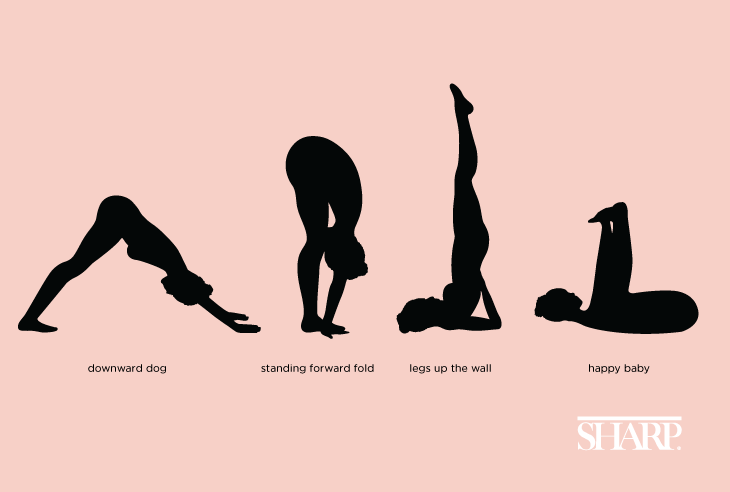
There are several restorative poses that increase blood circulation in a gentle way, such as downward-facing dog, standing forward folds, legs up the wall and happy baby.

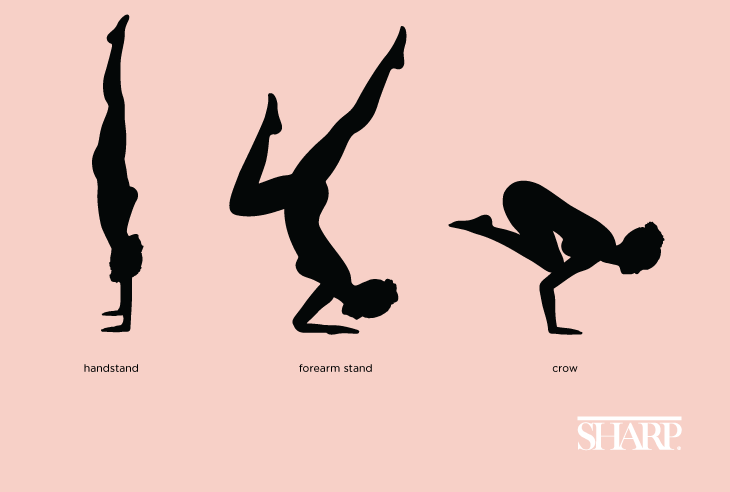
Then, there are more intense, strengthening inversions — handstands, forearm stands and crow pose — that require supporting your body weight on either your hands or forearms.

These postures require — and build — a lot of body strength and endurance. Both the restorative and strengthening inversions benefit the heart and can help reduce the risk of cardiovascular disease.


The VEBA Resource Center offers Sunrise Yoga Classes. Join this early morning yoga class, perfect for all levels, to help you start your day grounded, centered and focused. Check out our calendar to sign up for an upcoming class.

Take a Breath

From Sharp Health News, a publication of Sharp HealthCare

Mindful breathing can be a valuable practice to deal with distractions, complexities and stress. It can improve your ability to pay attention and help you regulate your emotions, become calmer and experience fewer negative effects on your physical and emotional health.

Here are 3 breathing exercises you can start practicing.

  • Sitting mindfulness meditation. Use your breath as a focus of attention, placing attention wherever your breath is strongest. At your nostrils, feel your breath come in and out; at your chest, feel the movement up and down; or at your stomach, feel the in and out of your breathing. If you notice that your attention has left your breath, gently bring it back.
  • 7/11. This involves a slow inhalation on the count of seven, and a slow exhalation on the count of 11 to help regulate both respiration and heart rate and calm the sympathetic nervous system, activated during times of stress.
  • S.T.O.P. You can do this any time of day when you encounter stress, challenges and difficult emotions:
    • Stop what you are doing for a moment.
    • Take a few deep breaths.
    • Observe what is going on, bringing attention to the sensations in the body where your stress and emotions register.
    • Proceed with your day.

The VEBA Resource Center offers Sound Healing Therapy Classes. You’ll be guided through soothing exercises of breathing, humming, tapping and energy clearing, followed by a deep relaxation meditation and sound bath, leaving you feeling more refreshed and energized. Check out our calendar to sign up for an upcoming class.

Mindfulness on the Go

From Sharp Health News, a publication of Sharp HealthCare

In today’s hectic world, it’s easy to get caught up in our busy lives, and we may find ourselves feeling anxious, stressed and burned out. Incorporating mindfulness into your daily routine is key to helping you develop the ability to be calm, focused and present when you need it most.

Here are 3 easy, effective and proven ways to stay mindful throughout your day:

  1. Adopt a mantram: A mantram is a sound, word or phrase that can be repeated to help you concentrate and redirect your attention away from stressful situations, worries or negative feelings, giving you a pause to choose how to respond to a stressful situation and gain control of your emotions.
  2. Slow down: You may find yourself rushing through your day with frantic actions and thoughts. By slowing down, you give yourself the opportunity to find joy in the moment and notice small — and maybe otherwise overlooked — pleasant moments.
  3. Don’t multitask: Contrary to popular belief, multitasking actually harms your efficiency and mental health. Monotasking — giving 1 task your full attention — increases productivity, reduces mistakes, increases calmness and reduces stress.

The VEBA Resource Center offers Restorative Yoga for Stress Management Classes. Learn different techniques, such as breathing, relaxation, mindfulness and restorative poses, to help manage the cumulative effects of stress and support overall health. Check out our calendar to sign up for an upcoming class.

Importance of Strength Training

From Sharp Health News, a publication of Sharp HealthCare

Did you know that you can prevent or even reverse muscle loss with regular strength training? Also known as resistance training, strength training involves using your own body weight or various tools, such as dumbbells, barbells or resistance bands, to build muscle, endurance, and support mobility and function.

Try these 5 tips to begin a strength training routine:

  1. Train the upper body – chest, back, shoulders, biceps and triceps – on the first day, and the lower body – legs, glutes and abs – on the second day.
  2. When picking a weight level, chose a weight that can be lifted at least 10 to 15 times in 1 set. Begin with 1 or 2 sets of 10 to 15 reps.
  3. Rest for 45 to 60 seconds between sets.
  4. Progress gradually by adding more sets and more reps, or increasing the weights every few weeks.
  5. To improve flexibility, make sure to stretch after weight-lifting sessions.

As always, talk with your doctor before starting a new exercise program.


The VEBA Resource Center offers Beginner Strength Training with Weights Classes featuring low-impact movements and light cardio training to build muscle and burn fat safely. This class allows for gentle progression and modifications. Check out our calendar to sign up for an upcoming class.