Getting Through the Holidays, Mindfully

From Sharp Health News, a publication of Sharp HealthCare

Let’s face it: At this time of year, many of us feel overwhelmed and stressed out.

So, how do you cope? Try this next time:

  1. Sit comfortably.
  2. Focus your awareness on your breathing.
  3. Breathe in. Breathe out. Repeat.
  4. If your mind wanders, gently and with patience, bring your focus back to your breathing.
  5. Try this for three to five minutes, and notice how you feel.

You’ve now practiced mindfulness. Mindfulness is the awareness of the present moment, approached with curiosity, openness and a willingness to be with what “is.”

Mindfulness has several benefits, including:

  • Helps you reduce stress
  • Aids in reducing chronic physical pain
  • Boosts the body’s immune system to help fight disease
  • Assists you in coping with painful life events, such as the death of a loved one or a major illness
  • Helps you deal with negative emotions like anger, fear and anxiety
  • Improves your attention and concentration
  • Opens up the gateway for positive emotions, including happiness and compassion

This kind of practice can help center you in the midst of a stressful day, heavy workload and the holidays. You can go back to whatever needs to be accomplished feeling refreshed and renewed – and it only takes a few minutes.


The VEBA Resource Center offers Midday Mindfulness Refresh Classes. Mindfulness is an everyday practice you can do to improve your overall quality of life and sense of well-being. In this class, you will explore mindfulness of the body, breath, emotions and the heart. Check out our calendar to sign up for an upcoming class.

Disfrutar de Los Días Festivos de Invierno, Conscientemente

Por parte de Sharp Health News, una publicación de Sharp HealthCare

Seamos realistas: en esta época del año, muchos de nosotros nos sentimos abrumados y estresados. Y si agregamos la pandemia de COVID-19 a la mezcla, el estrés se multiplica.

Entonces, ¿cómo se las arregla? Pruebe esto la próxima vez:

  1. Siéntese cómodamente.
  2. Concéntrese en su respiración.
  3. Respire. Exhale. Repetir.
  4. Si su mente divaga, suavemente y con paciencia, vuelva a concentrarse en su respiración.
  5. Pruebe esto durante tres a cinco minutos y observe cómo se siente.

Con estos pasos usted ha practicado la atención plena (Mindfulness). Mindfulness es la conciencia del momento presente, abordado con curiosidad, amplitud y voluntad de estar con lo que “es”.

Mindfulness tiene varios beneficios, que incluyen:

  • Le ayuda a reducir el estrés
  • Ayuda a reducir el dolor crónico
  • Estimula el sistema inmunológico del cuerpo para ayudar a combatir las enfermedades.
  • Le ayuda a sobrellevar los eventos dolorosos de la vida, como la muerte de un ser querido o una enfermedad grave.
  • Le ayuda a lidiar con emociones negativas como la ira, el miedo y la ansiedad.
  • Mejora su atención y concentración
  • Abre la puerta a las emociones positivas, incluyendo la felicidad y la compasión.

Este tipo de práctica puede ayudarlo a concentrarse en un día estresante, carga de trabajo y en los días festivos. Puede volver a sus actividades sintiéndose renovado, y solo le llevará unos minutos.


VEBA Resource Center ofrece clases Mindfulness al Mediodía. La atención plena es una práctica diaria que puede realizar para mejorar su calidad de vida en general y su bienestar. En esta clase, explorará la atención plena del cuerpo, la respiración, las emociones y el corazón. Consulte nuestro calendario para inscribirse a una clase.

Best Yoga Poses for Heart Health

From Sharp Health News, a publication of Sharp HealthCare

Yoga is packed with benefits for overall health — including your heart’s health. Taking longer, smoother and more controlled breaths can help lower blood pressure, calm the nervous system and even relieve stress, making yoga a great practice for everyone, including those with cardiovascular disease.

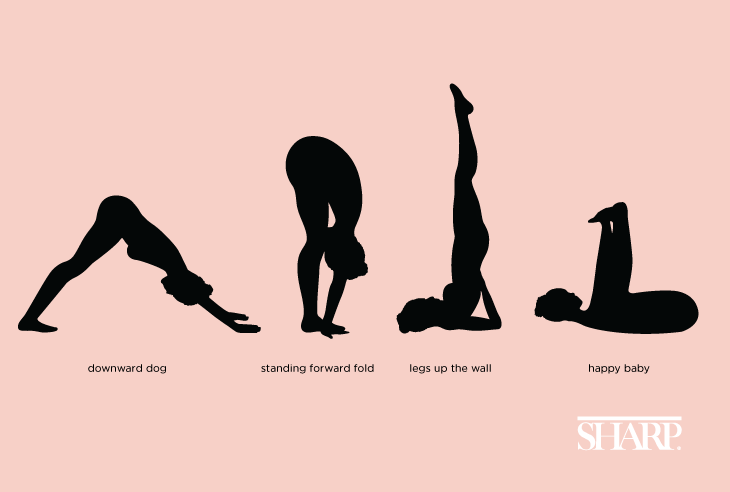
There are several restorative poses that increase blood circulation in a gentle way, such as downward-facing dog, standing forward folds, legs up the wall and happy baby.

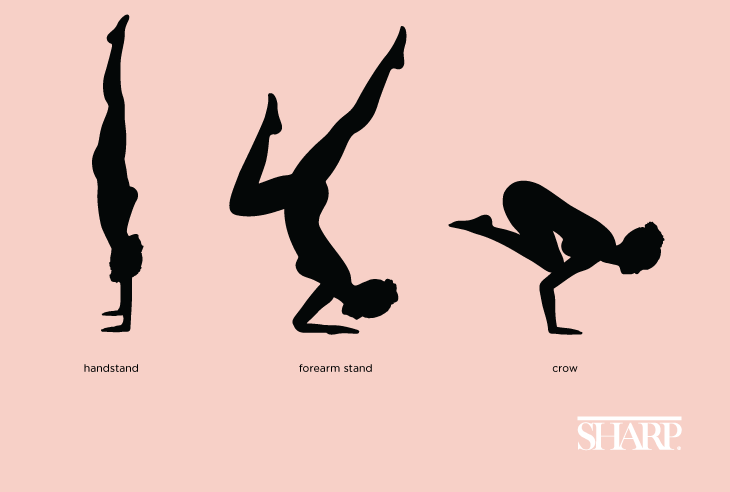
Then, there are more intense, strengthening inversions — handstands, forearm stands and crow pose — that require supporting your body weight on either your hands or forearms.

These postures require — and build — a lot of body strength and endurance. Both the restorative and strengthening inversions benefit the heart and can help reduce the risk of cardiovascular disease.


The VEBA Resource Center offers Sunrise Yoga Classes. Join this early morning yoga class, perfect for all levels, to help you start your day grounded, centered and focused. Check out our calendar to sign up for an upcoming class.

Take a Breath

From Sharp Health News, a publication of Sharp HealthCare

Mindful breathing can be a valuable practice to deal with distractions, complexities and stress. It can improve your ability to pay attention and help you regulate your emotions, become calmer and experience fewer negative effects on your physical and emotional health.

Here are 3 breathing exercises you can start practicing.

  • Sitting mindfulness meditation. Use your breath as a focus of attention, placing attention wherever your breath is strongest. At your nostrils, feel your breath come in and out; at your chest, feel the movement up and down; or at your stomach, feel the in and out of your breathing. If you notice that your attention has left your breath, gently bring it back.
  • 7/11. This involves a slow inhalation on the count of seven, and a slow exhalation on the count of 11 to help regulate both respiration and heart rate and calm the sympathetic nervous system, activated during times of stress.
  • S.T.O.P. You can do this any time of day when you encounter stress, challenges and difficult emotions:
    • Stop what you are doing for a moment.
    • Take a few deep breaths.
    • Observe what is going on, bringing attention to the sensations in the body where your stress and emotions register.
    • Proceed with your day.

The VEBA Resource Center offers Sound Healing Therapy Classes. You’ll be guided through soothing exercises of breathing, humming, tapping and energy clearing, followed by a deep relaxation meditation and sound bath, leaving you feeling more refreshed and energized. Check out our calendar to sign up for an upcoming class.

3 Easy Mindfulness Practices

From Sharp Health News, a publication of Sharp HealthCare

Mindfulness is about being in control of your mind, rather than your mind being in control of you. It is the ability to be fully present as we go through our daily activities and during profound or challenging experiences — a skill proven to be very useful during trying times.

There are several ways to practice mindfulness. The key is increasing your awareness of both your mind and body, and what is going on in both. Try these three mindfulness activities to get started:

1. Breathing activity

  • Standing tall or sitting somewhere quiet and comfortable, focus on your breathing.
  • Breathing in completely, notice and follow the sensations of your breath coming in.
  • Keeping your attention at the center of your body, exhale, breathing normally and maintaining attention.

2. Sensory activity

  • Lie on the grass, look up at the sky and watch the clouds roll by.
  • Feel the grass with your fingers and the air on your skin and the firm ground supporting your whole body.
  • Listen to the sounds of the birds, wind blowing through the trees and other activity around you.

3. Physical activity

  • Take a mindful walk, walking without any purpose or intention other than the walk itself.
  • Practice noticing each step and breath you take.
  • Keep your steps slow, relaxed and calm and try not to allow your thoughts to drift throughout your stroll.

Remember, it’s not about doing it perfectly – it’s about practicing. The more you practice mindfulness, the greater the benefits you’ll see.


The VEBA Resource Center offers Midday Mindfulness Refresh Classes, allowing you to explore mindfulness of the body, breath, emotions and heart to improve your overall quality of life and sense of well-being. Check out our calendar to sign up for an upcoming class.

3 Simple Practices to Improve Your Mental Health

October 10 is World Mental Health Day. The objective of the day is to raise awareness of mental health issues around the world. This day, which is recognized by the World Health Organization (WHO), has a particularly impactful opportunity this year as many have faced more grief, stress, anxiety, and depression due to the COVID-19 pandemic. 

This year, teachers and students alike are schooling in a new way. Social situations are limited. The simple act of walking down the street has changed. Old routines have been replaced with new ones.

As we take a minute to pause on World Mental Health Day, try thinking of ways you can incorporate these three simple practices into your life to improve your mental health.

Start a Journal

When in doubt, write it out! We aren’t talking about doodling in a notebook, we are talking about journaling with a purpose. When you intentionally journal, you are able to unravel complex emotions, track progress and even identify patterns. According to PositivePsychology.com, journaling offers many benefits for mental health, and can:

  • Boost your mood/affect.
  • Enhance your sense of well-being.
  • Reduce symptoms of depression before an important event (like an exam).
  • Reduce intrusion and avoidance symptoms post-trauma
  • Improve your working memory.

Just writing words on paper won’t help. Be intentional:

  1. Find a quiet, private spot to start.
  2. Try writing at least once a day.
  3. Reflect on your feelings. Write them down. Don’t judge yourself or worry about making complete sense. Write down how you are feeling in the moment, about a particular situation that happened that day or even in the past.
  4. Make your journal yours — you may write and then draw a picture or bullet out points.
  5. Keep it private. Your journal is for your eyes only.

TIP: If you’d rather keep an online journal, try using the FNL (Fitness Nutrition Lifestyle) Journal.

Practice Deep Breathing

It sounds so simple but by practicing deep breathing, you can help tame your anxiety. Ever heard of the “fight-or-flight” response? This is when your body automatically reacts to stress — you either “fight” or you take “flight.” Your body is triggered to go into high alert, your heart may beat faster and your breathing rate may increase. By paying attention to your breathing and taking deep breaths, you are bringing more oxygen to your brain which can help you think more clearly.

The next time you are feeling anxious or on high alert, practice deep breathing:

  1. Gently place your hand onto your stomach.
  2. Inhale deeply for 10 seconds and exhale slowly for 10 seconds. As you breathe in, you should feel your hand move out; as you exhale, you should feel your hand go down.
  3. If 10 seconds is too long to start, try starting with five seconds and working your way up. Repeat five times.

Express Gratitude

There is always something to be thankful for — even if it’s just waking up every morning. Expressing gratitude for things in your life, and also explaining why you are thankful, will help you acknowledge your thoughts and forces you to focus on positive thinking.

Every morning when you wake up, before picking up your phone (which may lead to anxiety), think of three things you are grateful for that day. Take it one step further and journal them and write about how they make you feel. By focusing on gratitude, you will shift your mindset, improving your overall emotional well-being.

For more mental health videos, check out our YouTube playlist here.
Mindful Minutes With Your Classroom

If your days seem to fly by from the time you step out of bed to the moment you lay your head back on the pillow, you may benefit from a mindful minute. This practice, which takes literally one minute, is something you can do to help you reset and refocus, but it is also a practice you can share with your students. Not only will your students feel better but they’ll have more focus and maybe even camaraderie. 

The VEBA Resource Center believes mindful minutes can happen throughout the day. You can start your school day with a mindful minute and then incorporate it into the day whenever you feel like students have drifted. Another idea is to give students some time before a test to take a mindful minute. And, it’s a great way to close the day together.

Here’s how you can incorporate a mindful minute into your classroom:

  1. Ask your students to get into a comfortable, seated position. If you are teaching a class online, encourage your students to find a sitting position in their home near their computers.
  2. Once seated, ask your students to bring awareness to their body and breath by focusing on inhaling and exhaling. Encourage your students to inhale for 5 seconds, hold their breath for 3 and then exhale for 5 seconds. 
  3. After 3 breaths, ask your students to think about 3 things they are grateful for on that day.
  4. Gently bring the students back into session and continue with your lessons and activities for the day.

Being mindful throughout the day, and taking intentional breaks will help you and your classroom. For more ideas on how to guide your classroom through these unprecedented times, visit the VEBA Resource Center YouTube Channel.

Increase Your Concentration in Between Classes

By now, you are probably in a back-to-school routine — a routine that looks so different then years past. Your days, which normally includes a full classroom, may now include a virtual component. With so many meetings and lessons filling your schedule, it’s important to stay alert. Keeping your mind-body connection strong will help you keep you focused. VEBA Resource Center’s Holistic Practitioner, Dr. Ioanna Vouloumanou, shares some acupressure points and breathing techniques to improve your mental clarity.

Acupressure Points for Focus

In between meetings, take a few minutes to find some acupressure points to help activate the brain, body and blood flow. Rub your ears for 15 seconds until they are hot. This short, simple movement connects the brain with the body.

Another technique to try is called the Du 20 Point of the Sea of Marrow. For one minute, initiate some acupressure point stimulation by tapping the top of your head. This movement is an often-used acupuncture point to increase alertness, concentration and resetting of the body. Tapping helps to activate the point and increase blood flow, oxygen to your brain and stimulates your nervous system.  

Breathing Techniques for Mental Clarity

If you are experiencing brain fog or mental exhaustion, sometimes some simple breathing exercises will help. By focusing on your breathing, you can bring more oxygen to the brain and improve your concentration. Depending on your situation and how much time you have in between meetings or class, there are different types of breathing techniques you can practice any time of the day. 

Deep Breathing Technique: Most of the time, we take shallow breaths throughout the day. Taking deep breaths will bring as much oxygen as possible into as many cells as possible to activate all organs, the brain and body function. 

Gently place your hand onto your stomach. Inhale deeply for 10 seconds and exhale slowly for 10 seconds. As you breathe in, you should feel your hand move out; as you exhale, you should feel your hand go down. If 10 seconds is too long to start, try starting with five seconds and working your way up. Repeat five times.

Nostril Breathing: To change your body and mind from stress mode to a more relaxed mode, try nostril breathing. This technique will bring more oxygen into your body, help you find relaxation and activate your focus.

To do the nostril breathing technique, you’ll want to find a comfortable chair. Sit down and put your left hand on your knee and place your right thumb on your right nostril and “close” it. Then, breathe in and out with your left nostril. After you are done with your left nostril, use your right index finger to gently close your left nostril and breathe in and out with only the right nostril. You will notice that one nostril will be easier than the other — this is normal. Repeat the cycle 5-10 times depending on your schedule. Be sure to finish this technique on the left side.

Taking short breaks in between classes will help you stay focused and alert. To see demonstrations of the acupressure points or breathing exercises, watch VEBA Resource Center’s Acupressure & Movement for Focus and Breathing for Mental Clarity.

3 Tips to Keep Stress In Check

These past several months may have you being pulled in a million different directions. As we have all had to shift our norm, wear different hats as a colleague/parent/teacher and except daily disruptions, factors such as the coronavirus pandemic are having an effect on mental health in America. According to a study conducted by the American Psychological Association, the levels of stress for adults have increased from 4.9/10 in 2019 to 5.4/10 (more for parents at 5.9/10!) in 2020. Learn how you can use meditation, exercise and breathwork to help you keep your stress in check during the day.  

Add Mindful Moments

Adding mindful moments during your day will help keep you on track and productive. Mindfulness is all about being aware in the present moment without judgement.

Allowing yourself five minutes of mindfulness before a big meeting or when your mind is racing, you are more likely to feel centered, more relaxed and aware. 

Try It: Sit in a comfortable seated position with your feet touching the Earth or ground. Close your eyes and bring awareness to your breath. Take a long, slow, deep breath in, followed by a longer, slower, complete breath out. Allow your breath and body to be anchors to the present moment. Every time your mind wonders, bring it back to your breath, bring it back to your body. Repeat for 1-5 minutes and incorporate into your daily routine. 

Exercise for Endorphins

If you are feeling stressed and your brain needs a rest, take some time to get a little exercise. Can’t leave the classroom or your home office? No problem! Incorporate a little yoga into your day to release those “feel good” chemicals called endorphins to help you clear the brain fog and minimize your stress. 

Try It: Get up from your desk and stretch. Starting in Mountain Pose — stand with feet together and arms hanging to your side with palms facing outward — bring your palms together and reach them toward the sky. Stretch to one side and then the other and gently fold forward from the hips and toward your toes. Take three deep breaths. Then slowly rise back up to mountain pose and extend your arms over head and gently reach your upper body back and you press your hips forward. Return to Mountain Pose. Close eyes and feel. Repeat throughout your day. This gentle, full-body stretch will provide much-needed circulation throughout the body and leave you feeling free from aches and pains. 

Breathe In, Breath Out

Think about a time when you were relaxed — maybe it was one day on the weekend while enjoying company or maybe it was right before you fell asleep.  What was your breathing like? Was it frantic and quick, or relaxed and even? Most likely the latter. The practice of deep breathing during a time when you are stressed can help you relax, release tension and reduce stress.

Try It: Long slow inhale, followed by a longer, slower exhale. The inhale provides you with energy to get you through your day, while the exhale facilitates relaxation to keep you calm no matter what situations arise. Try the “Three-Part Breath” to bring in more fresh breath and oxygen and release what no longer serves you — STRESS!

Want more tips? Watch “Breathing to Relieve Stress” and “Tips on How to Destress” on the VEBA Youtube channel.